

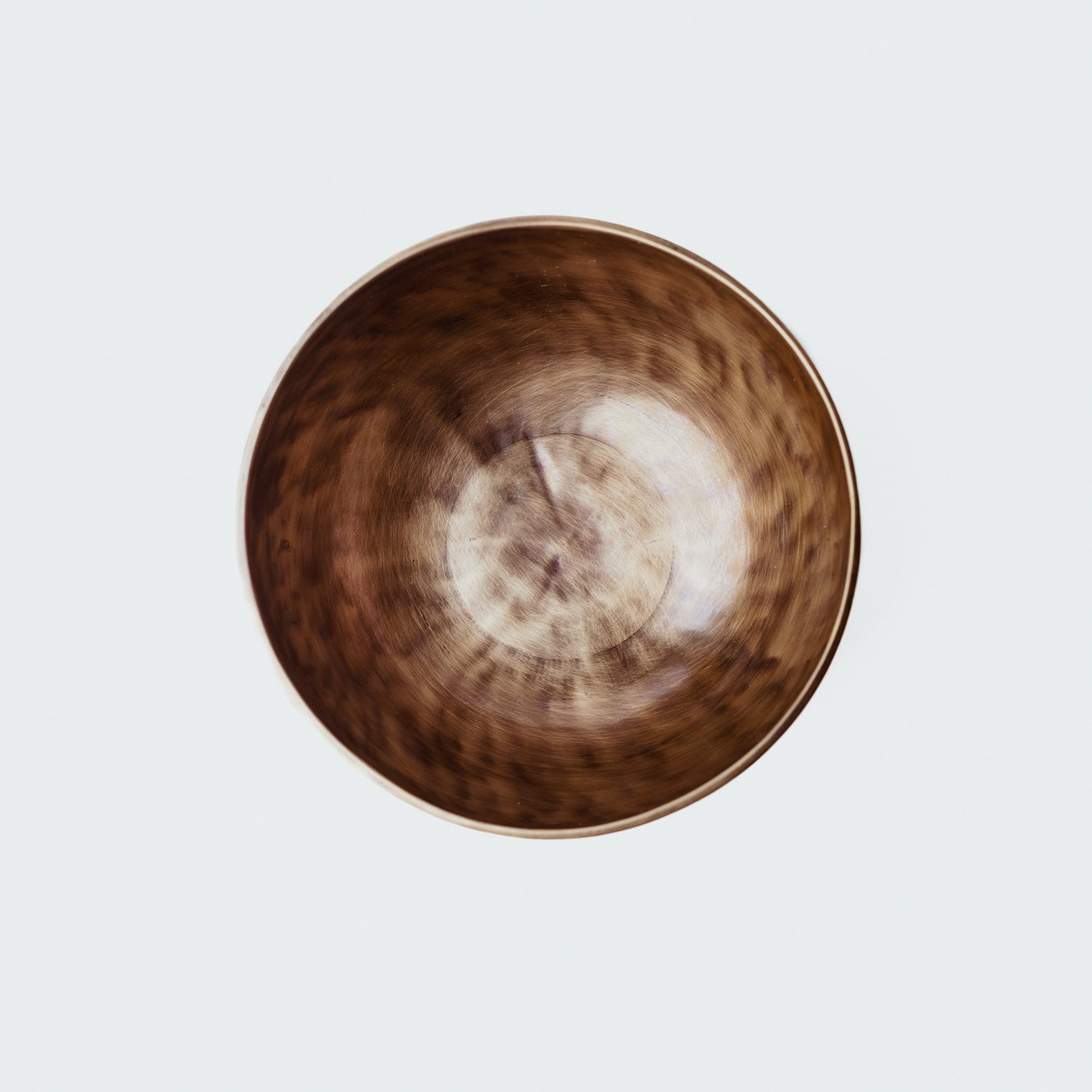
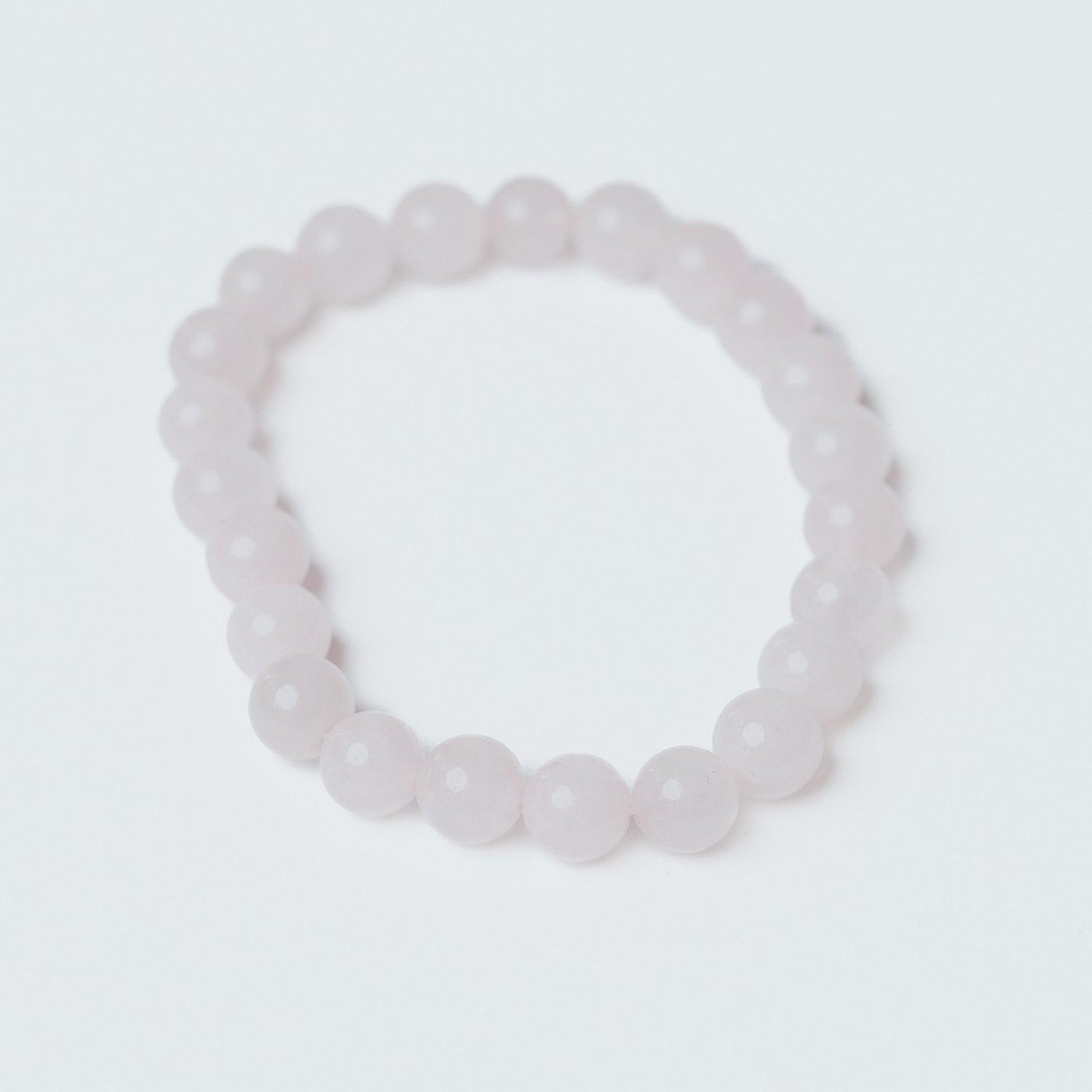
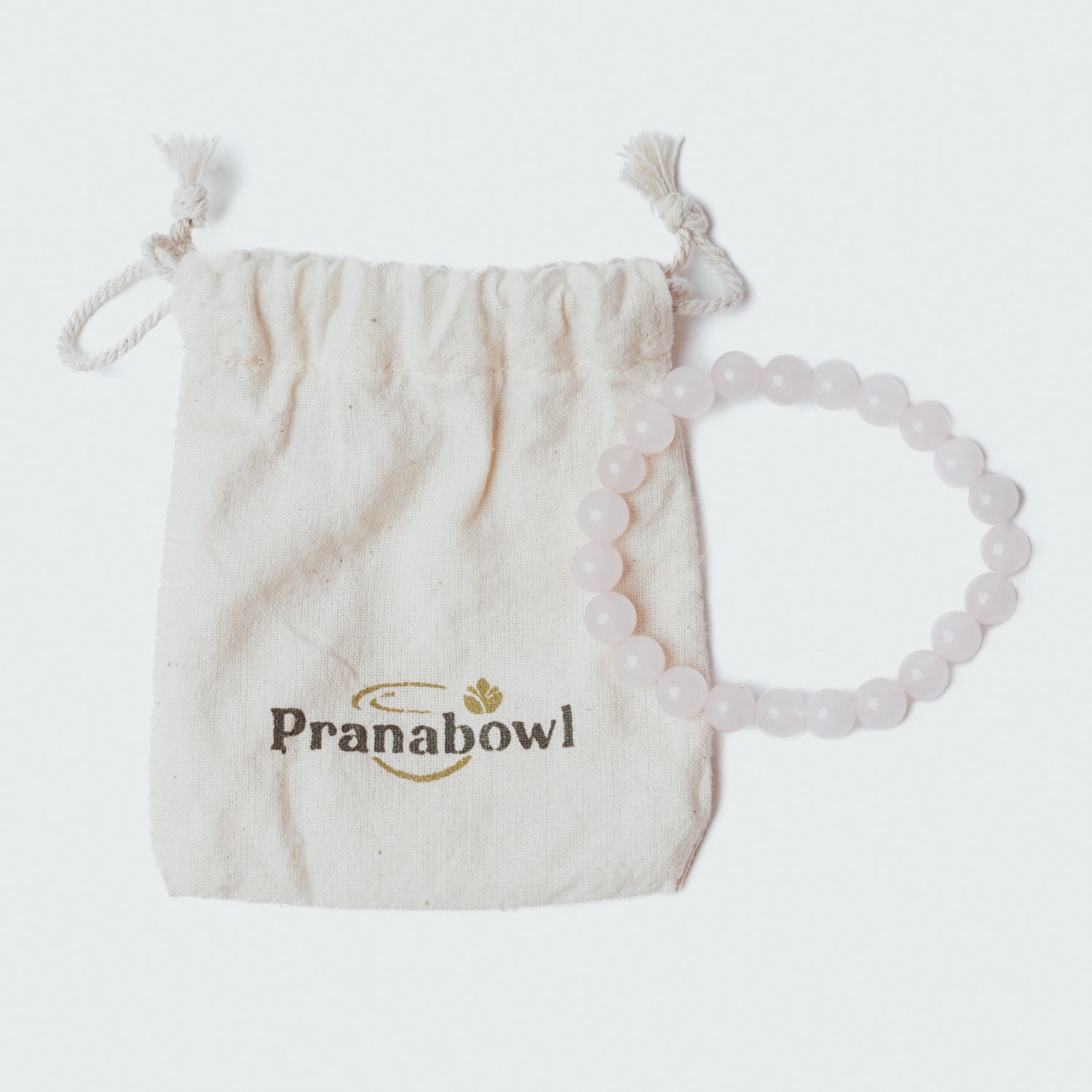
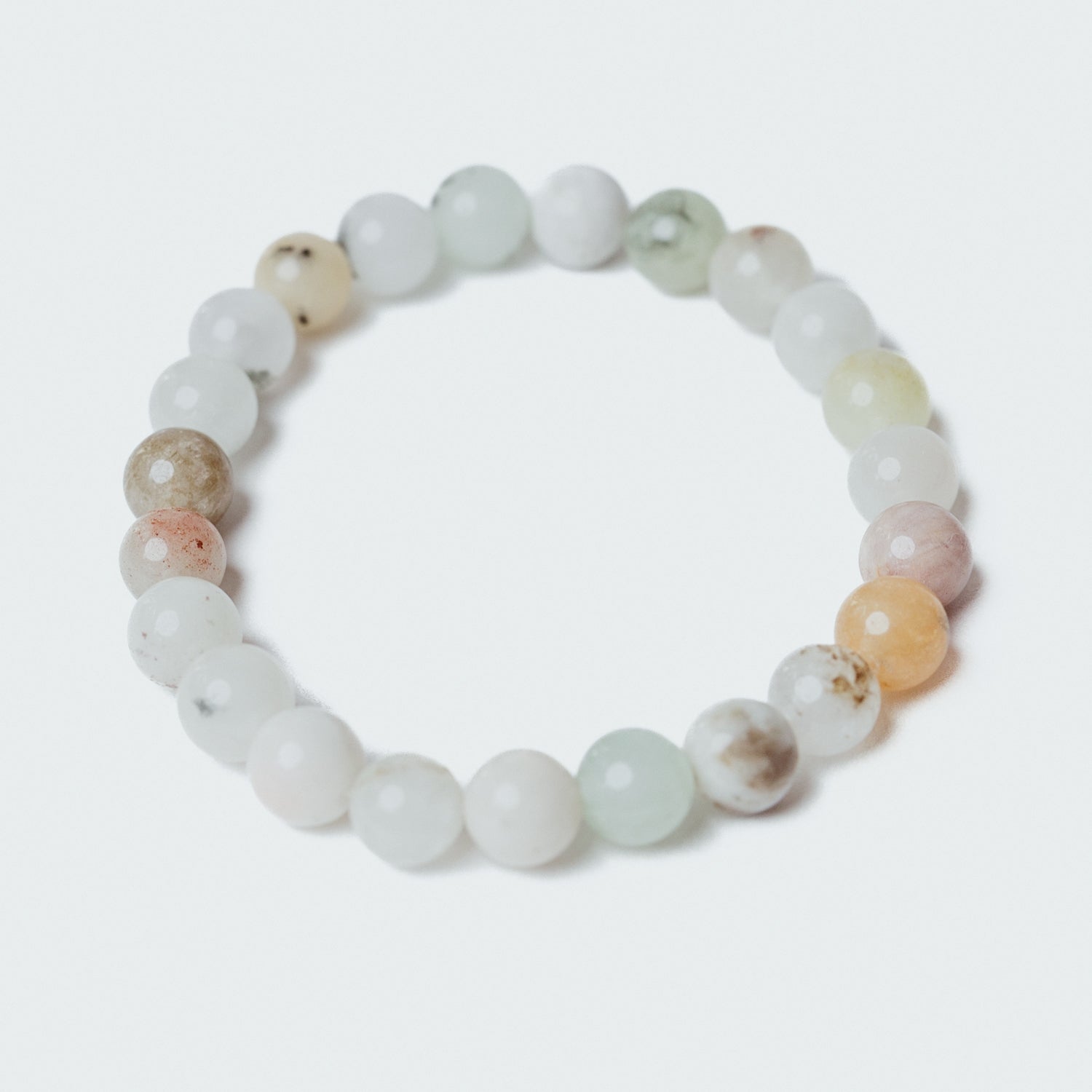
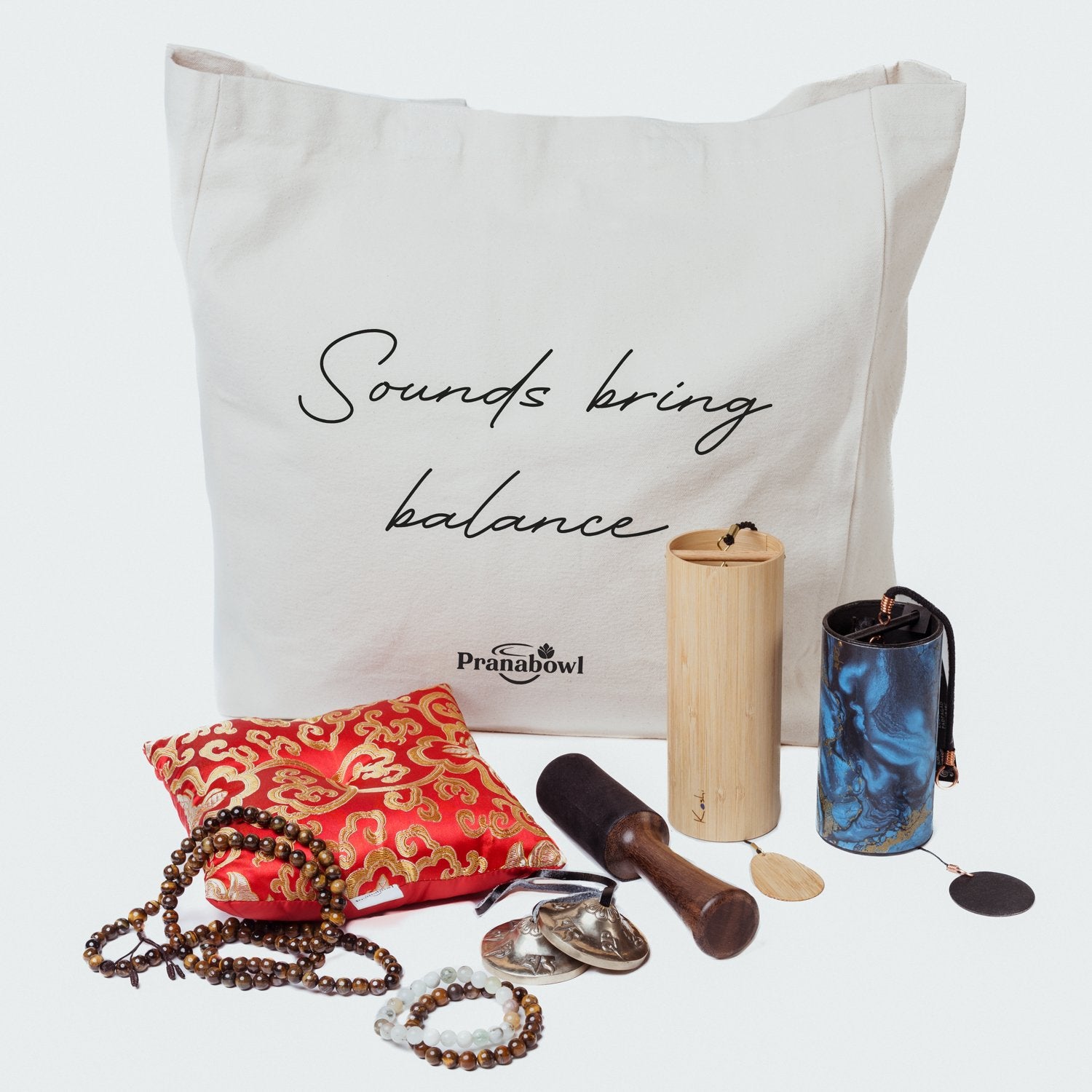
Rose Quartz Mala Bracelet
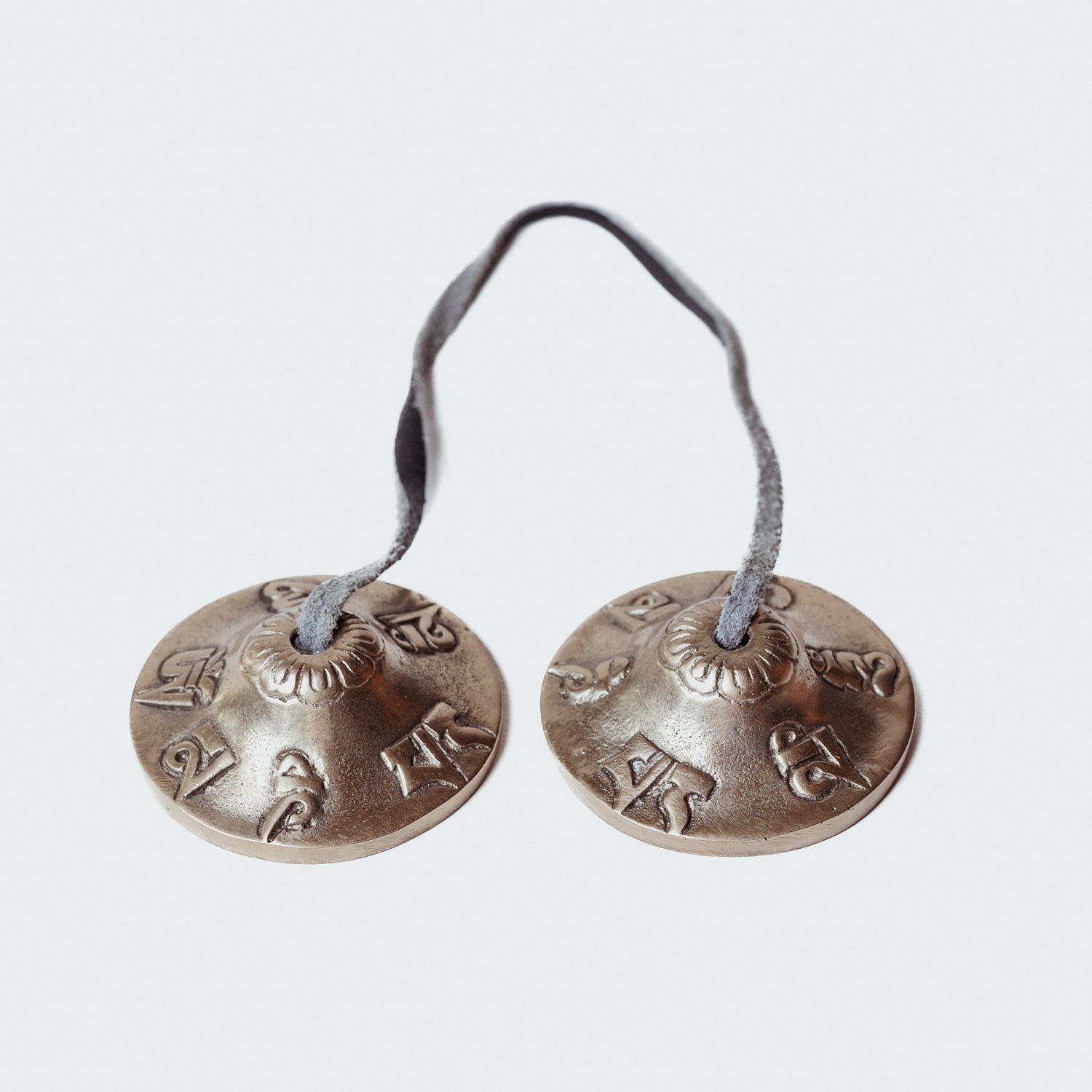
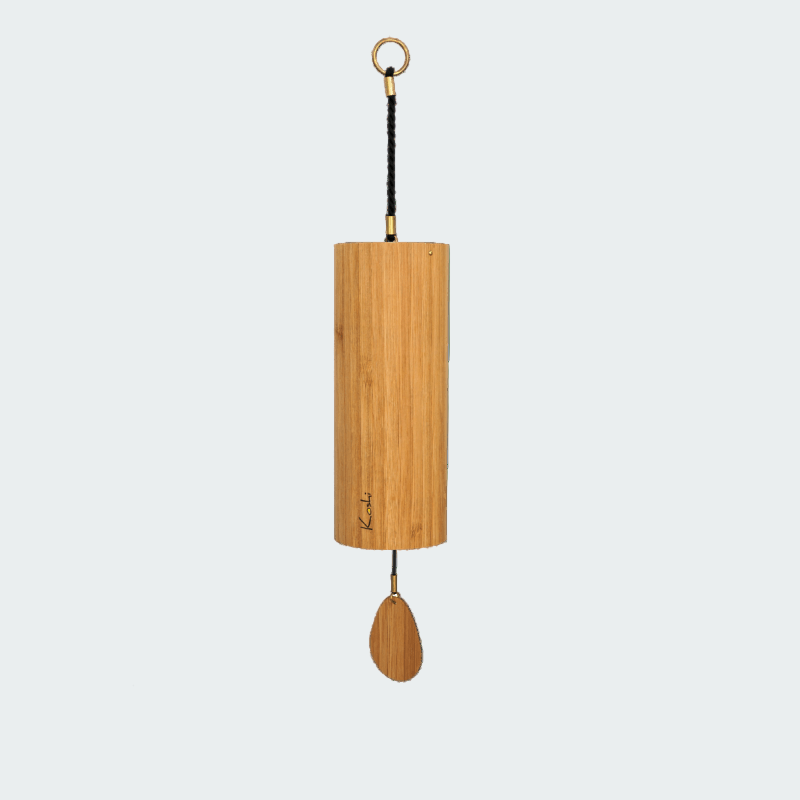
Koshi Water
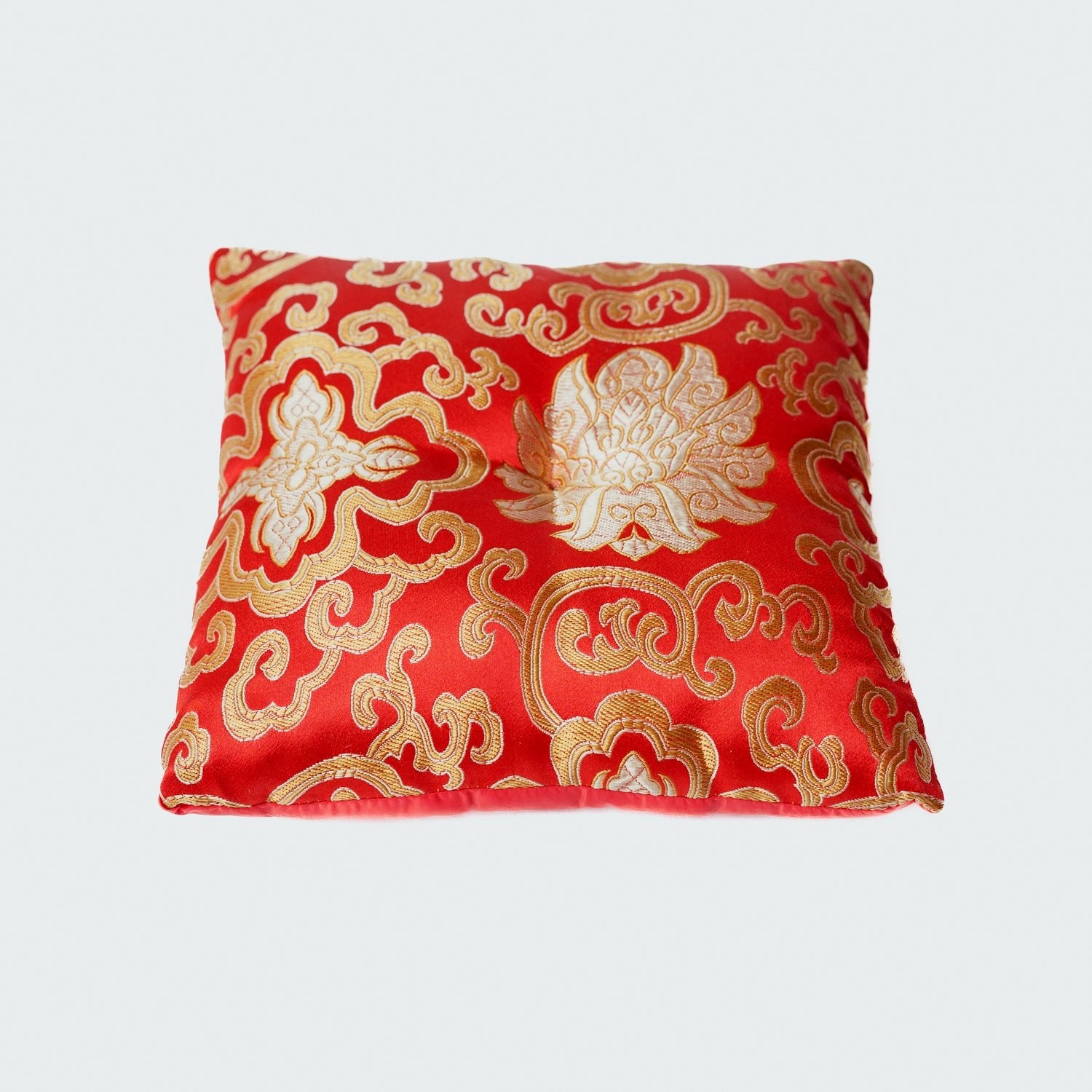
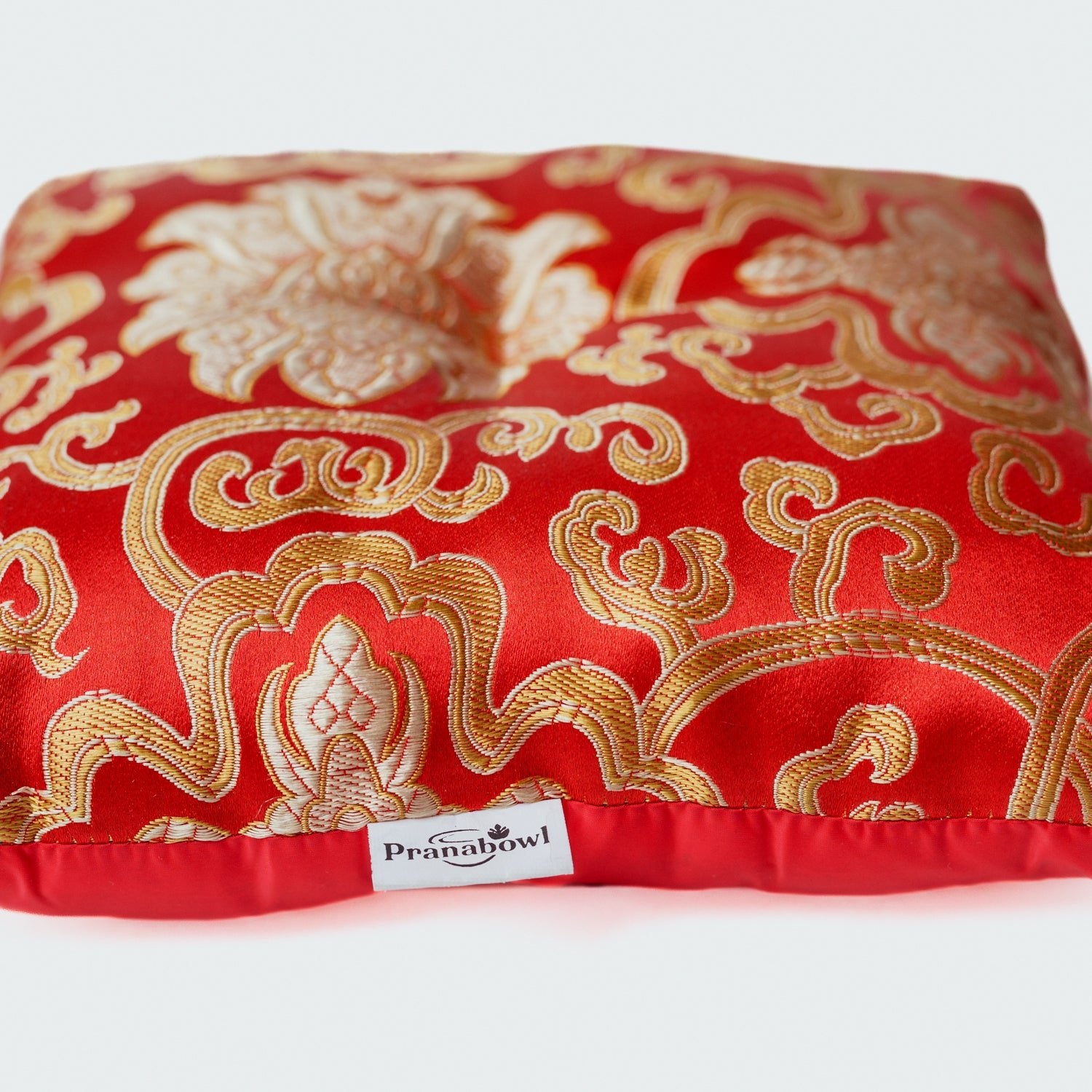
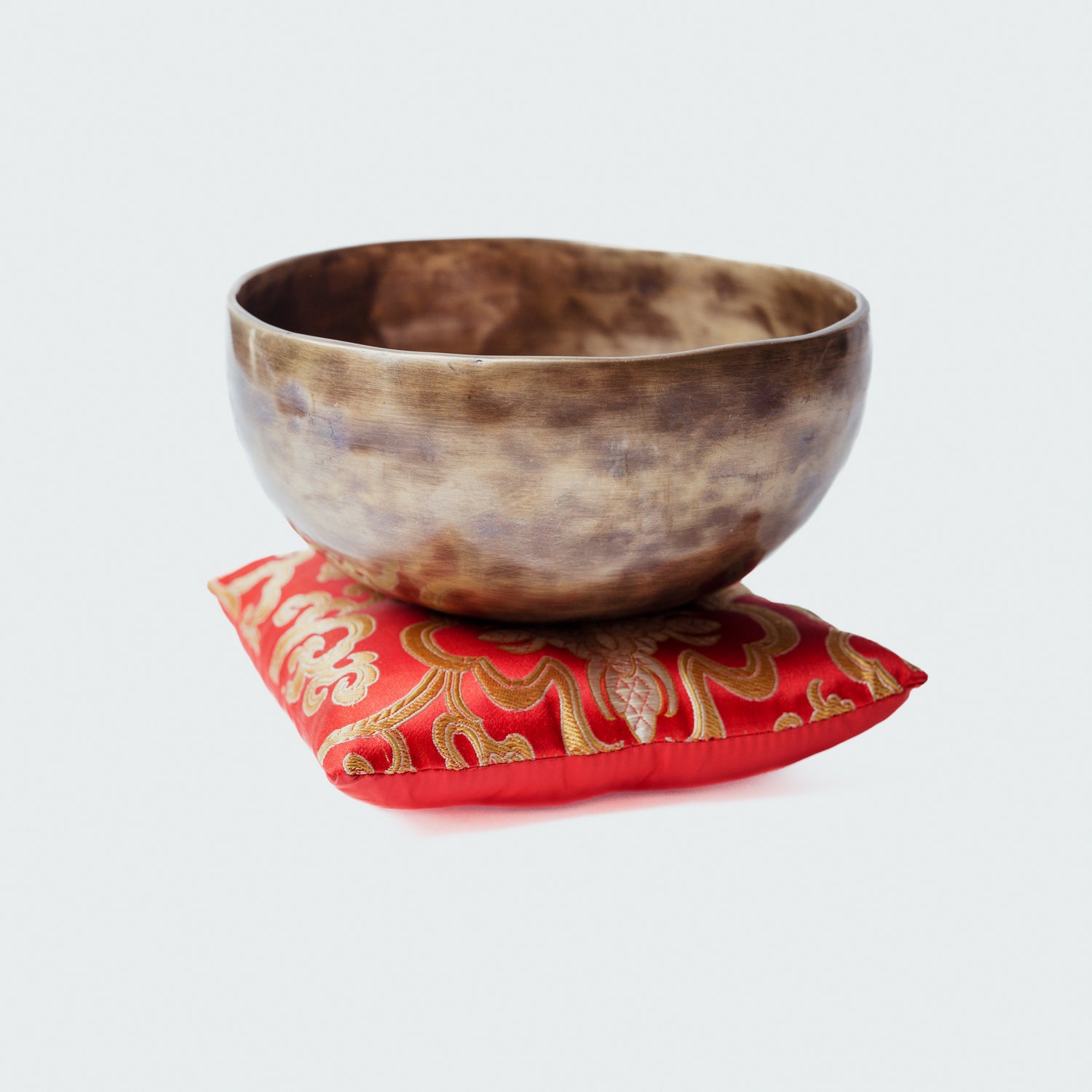
Cushion Small
Real products, from real people
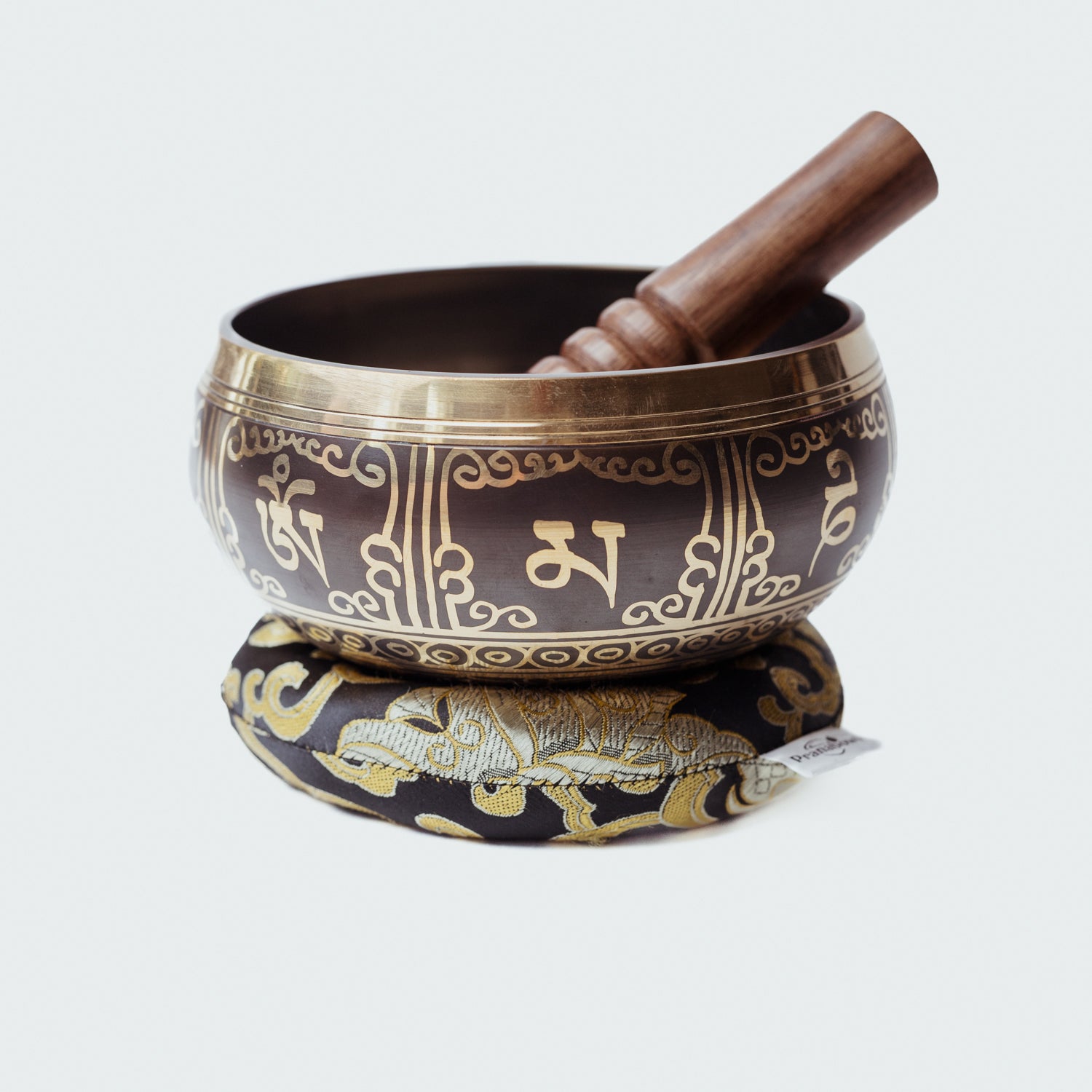
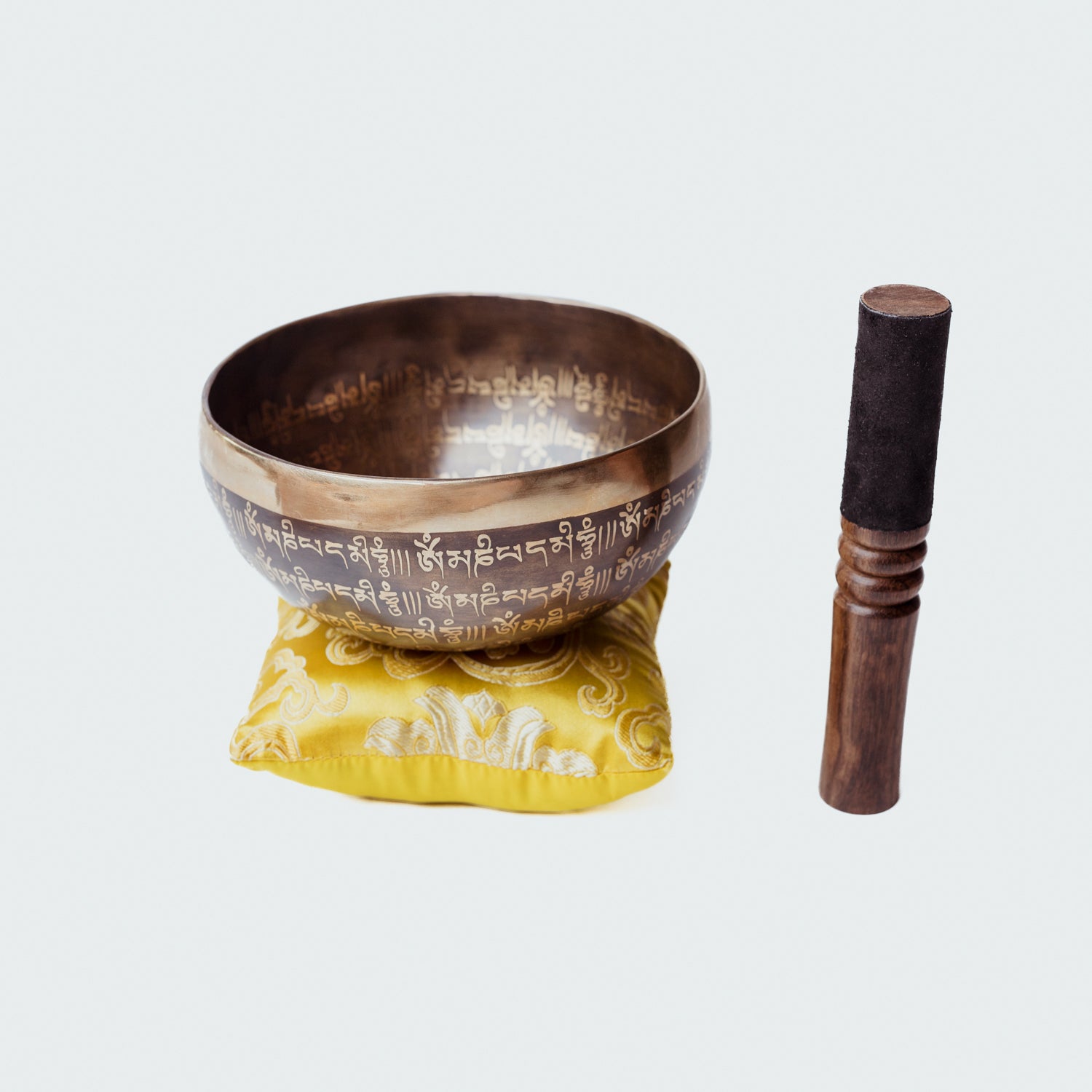
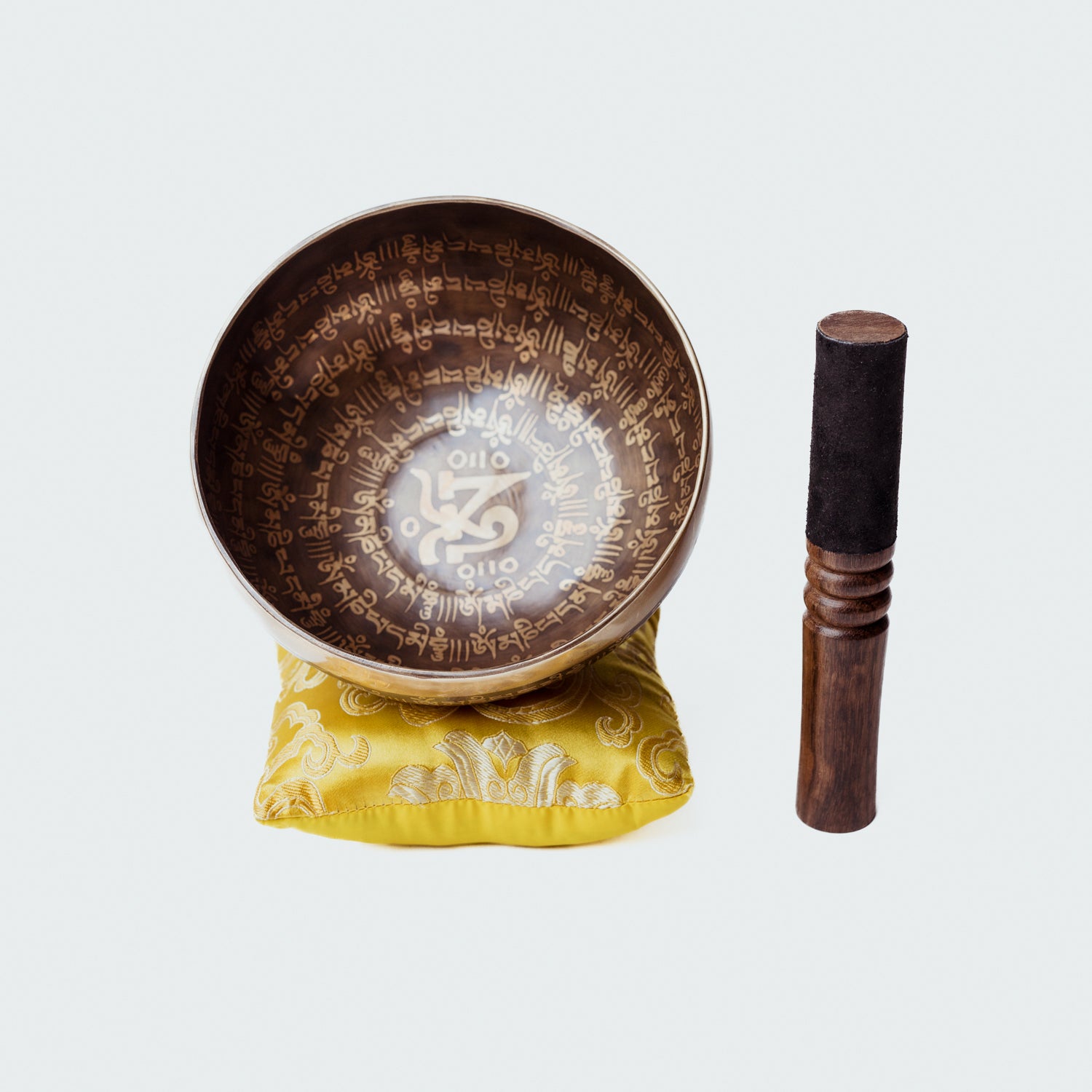
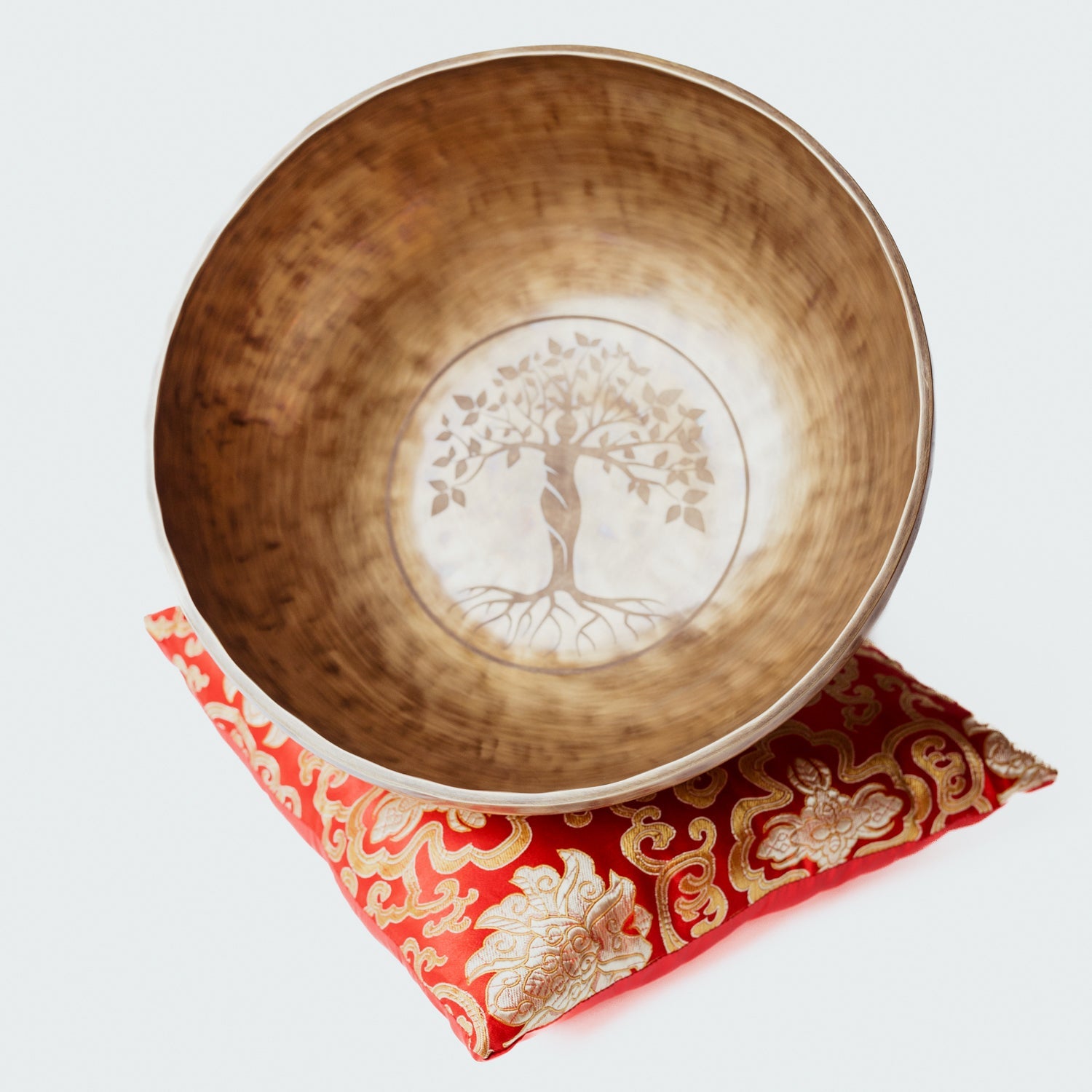
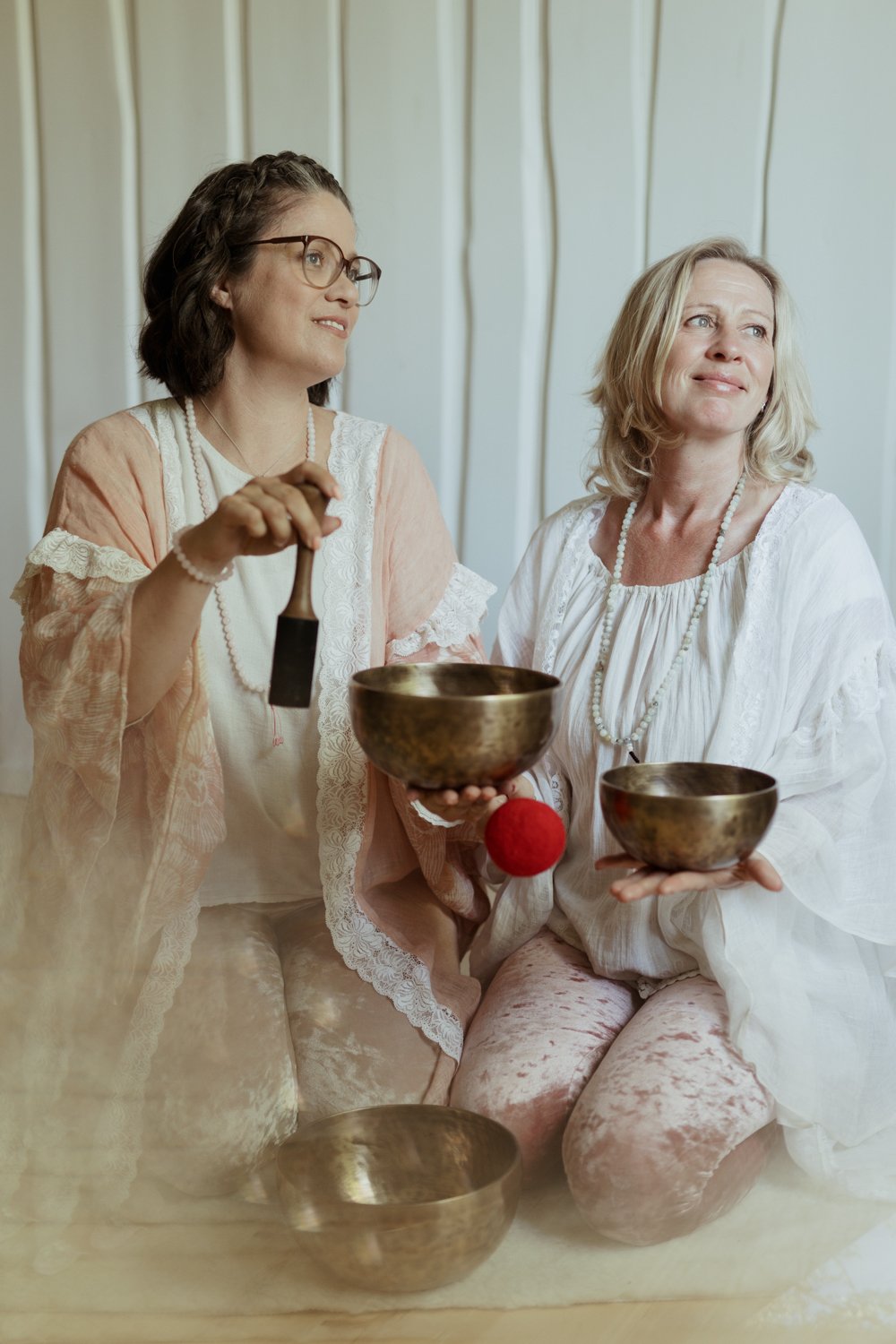
We believe that real products come from real people. We started collaborating with local artisans to offer the highest quality and most authentic singing bowls from their roots in Nepal.
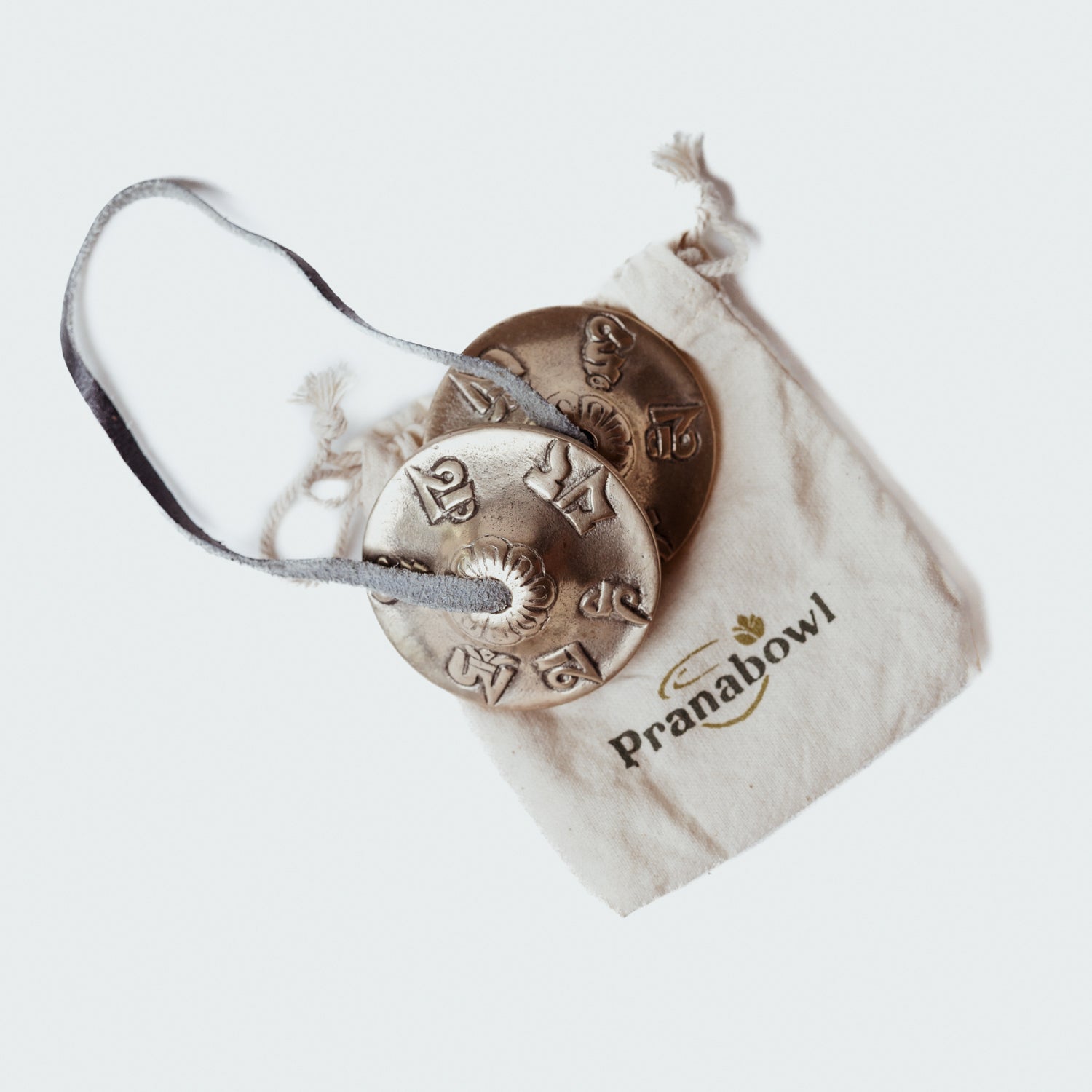
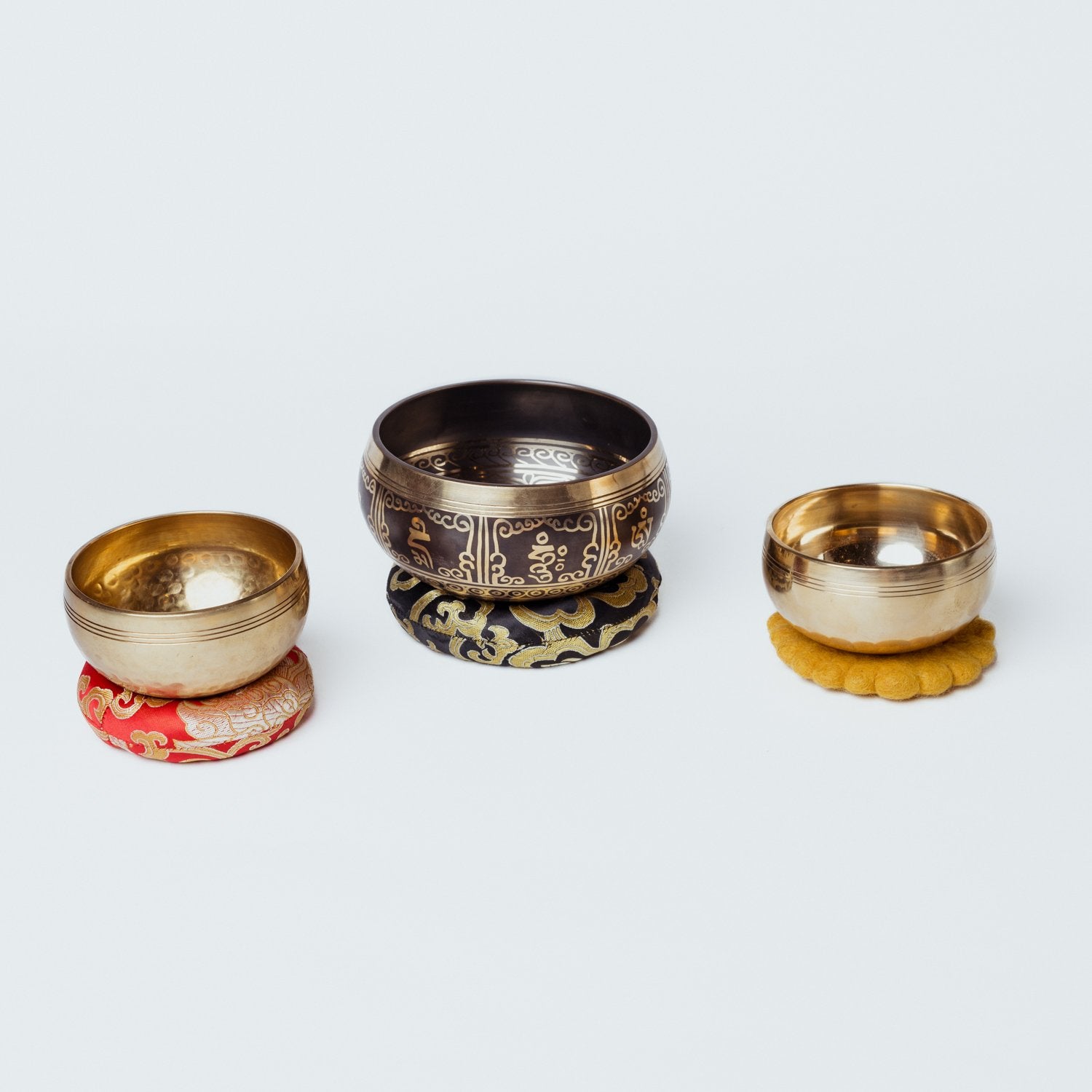
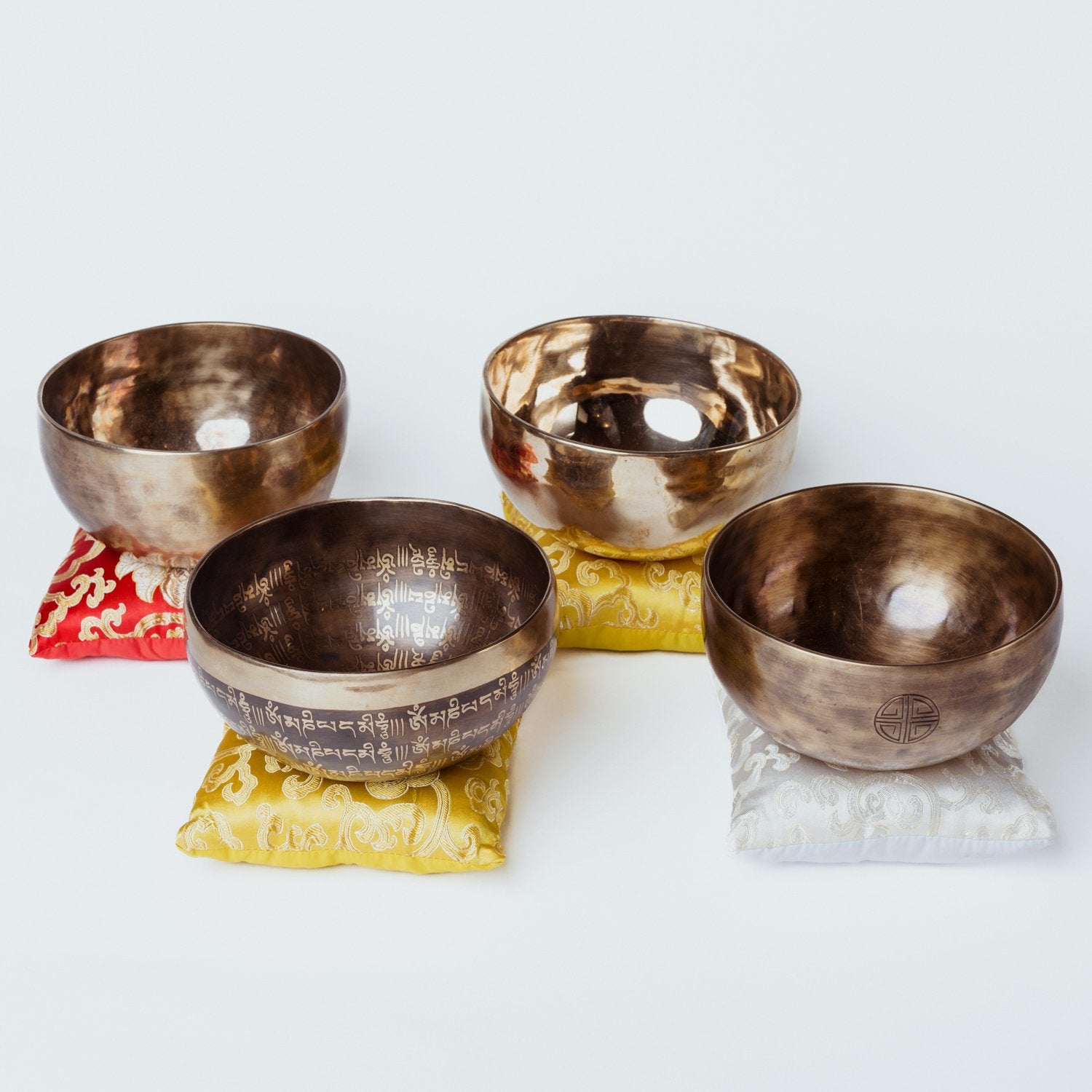
Tibetan singing bowls are made using centuries-old craftsmanship methods, creating each bowl a unique masterpiece. The singing sticks, cushions, tingshas and mala jewelry also come from local artisans in Nepal.
Working by heart
Pranbowl was born from a desire to offer high-quality singing bowls made using traditional methods. After a long search, we found skilled artisans in Nepal, the original roots of singing bowls, with whom we have begun to collaborate.
We hope that with the help of Pranabowl's high-quality singing bowls, you will have the opportunity to find balance and well-being in your everyday life.
Blog articles

Animals and singing bowls
The story of how I discovered sound healing as a way to help animals — and, at the same time, myself If someone had told me ten years ago that I would one day study to become an equine sound healing practitioner, I probably would have laughed out loud. I’ve always been a rather wild, restless type — the kind of person who does at least five things at once, bumps into walls on the way, and usually forgets to breathe. I assumed that meditation was something reserved for people who were naturally quiet, ethereal, and serene — certainly not for someone as frantic as me. But life is strange in that way. It sometimes leads a small human being exactly where she never imagined herself going — and then that same small human suddenly realises that the strange thing she stumbled into was precisely what she needed the most. My first encounter with singing bowls I had the opportunity to explore singing bowls when someone who had been offering sound healing to horses for years offered to introduce the practice to me for free. She told me she had a strong intuitive feeling that she should reach out and show me this form of healing. At first I was quite skeptical, but I accepted the invitation, thinking that perhaps the horses might enjoy listening to music. After all, many stables played the radio. I didn’t yet understand that singing bowls held something far deeper than sound that can be heard with the ears. When I saw how my horses reacted to the sound of the bowls for the very first time, I was astonished. They seemed surprisingly interested and, after their initial confusion, leaned their bodies as close to the bowls as they could get. We also tried playing a bowl for our cat, and it was incredible to see how she ran from another room, rolled onto her back beneath the bowl, and immersed herself in the soothing sound bath. When I tried playing the bowl myself, I noticed how strongly the vibration resonated through my body. It felt like an extremely subtle inner massage. I was curious, and soon bought my first singing bowl, which I began using regularly with my own horses. How sound healing affects horses Sound healing affects the body primarily through vibration. When a bowl is gently struck, its sound travels both through the air and through the body — and because most of both humans’ and animals’ bodies consist of water, the vibration reaches all the way down to the cellular level. Sound travels many times faster in water than in air, which is why the resonance of a singing bowl reaches so deep. Sound healing works simultaneously on multiple levels: through the sense of hearing and brainwave activity, within the physical structures of the body, and on an energetic level. The vibration of the bowls helps regulate the nervous system, shifting brainwaves into a calmer state. As a result, breathing deepens, blood pressure lowers, and the mind settles. It’s as if you wake up from the edge of sleep — a state that often naturally arises during a sound session, both in humans and in animals. Each session is unique. Sometimes the relaxation shows only subtly in the horse’s behaviour during the treatment, but afterwards it will withdraw to rest quietly. Other times the horse becomes deeply calm within moments. It is always moving to witness a horse relax so profoundly that it eventually lies down to rest. Every horse person knows that for a prey animal, lying down near a human is a tremendous sign of trust. The horse who didn’t want to be touched At the time I first learned about sound healing, I had a very sore horse named Dino. He couldn’t tolerate being touched, especially by unfamiliar people. Massage or other physical therapies were difficult because Dino would react defensively, and I couldn’t risk putting anyone in danger. I had been wanting to help him for a long time, but didn’t know how. Through sound healing, Dino eventually began to relax and express himself more gently. We found a shared language through the vibration of the bowls and our mutual presence. It became our lifeline in the midst of pain and worry. A moment of letting go — and my own healing Dino’s story ended sadly. He was so ill that no treatment could provide lasting relief. Sound healing allowed me to ease his discomfort even a little during the final weeks of his life. I wanted to learn more about sound healing and help make it better known, so I had invited a trainer specialising in equine sound healing to teach a course for us. The course happened to fall just two weeks after Dino passed away, and I almost cancelled because I was so exhausted and overwhelmed. I felt I couldn’t manage it — yet so many people had signed up that I didn’t want to let them down. I hadn’t slept properly for months and was completely burnt out. The timing felt entirely wrong, but I’m grateful I didn’t cancel. During the course, we played singing bowls for several hours, and something in my nervous system finally shifted. From that night on, I began to sleep peacefully again. The path to becoming an animal sound healing practitioner After everything I had seen and experienced, I could no longer ignore the almost magical power of the singing bowls. The bowls didn’t take away my grief, but they created space for it and calmed my nervous system so I could recover. My experience of supporting a suffering horse at the end of his life — and of regulating my own nervous system through sound — was so transformative that I decided to study equine sound healing the following autumn. Through the bowls, I discovered a way to be present, to communicate with animals, and to help them rest and restore. And in doing so, I helped myself as well. Singing bowls create a shared bubble for animals and humans — a space where connection deepens and understanding of each other’s emotions and needs rises to a new level. For years now, I have used singing bowls to support my horses, my cat, and my dogs, and I have taught many courses on equine sound healing. The bowls became an irreplaceable companion on my journey back to myself and back into connection with animals — and they continue to be a natural part of our everyday life. Next spring, I will be hosting an Animal Sound Healing Practitioner Training at Enkelikartano in Finland, where participants can dive into the fascinating world of singing bowls. If you feel called to learn how to listen to and support animals through this gentle yet powerful healing method, you are warmly welcome to join us.
Learn more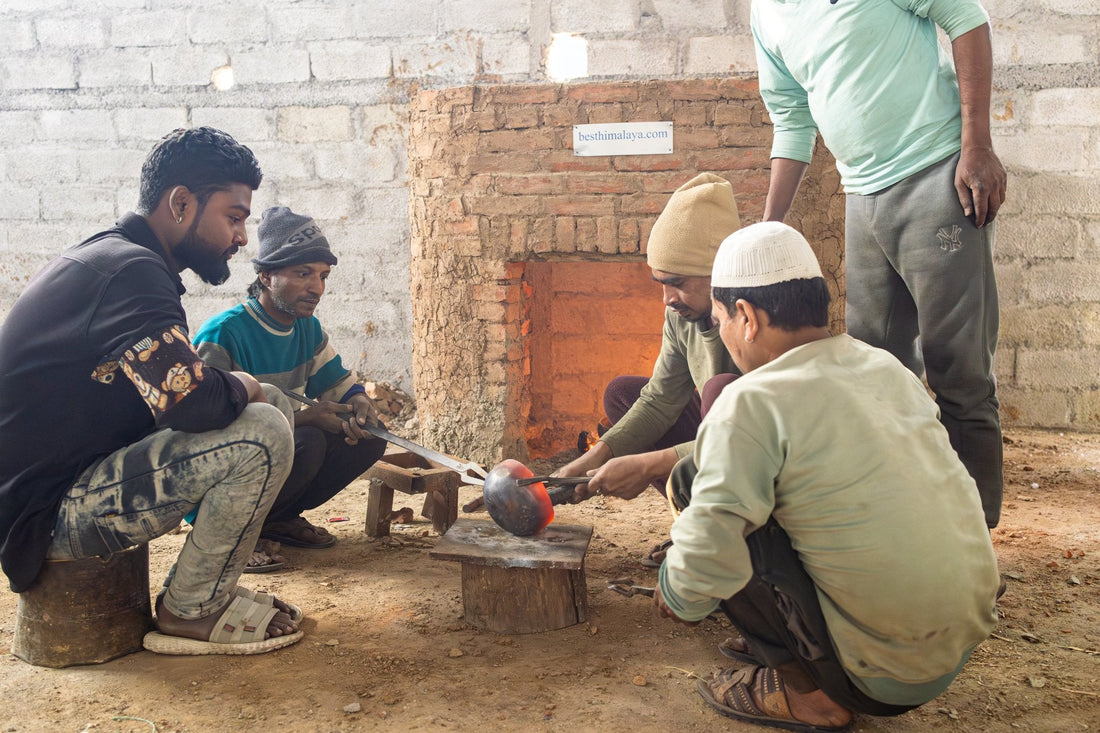
How are singing bowls made?
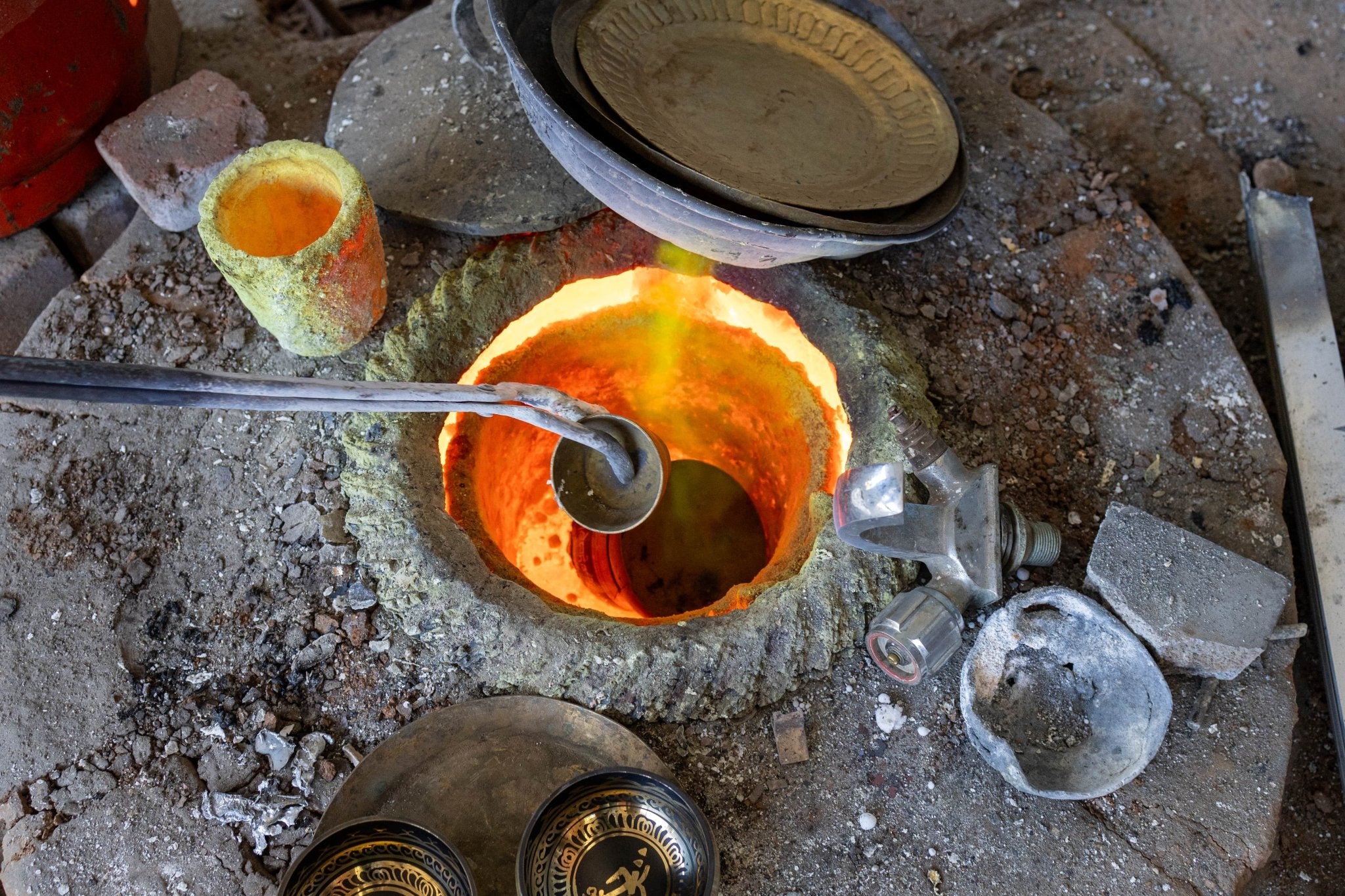
The making of singing bowls is a centuries-old tradition The making of Tibetan singing bowls is a centuries-old craft that combines expertise, spiritual tradition and an understanding of sound vibrations. Traditional hand-hammered singing bowls are made from a bronze alloy of approximately 73% copper, 25% tin and 2% zinc. Pranabowl singing bowls are made in origins of singing bowl, respecting centuries-old traditions. This unique craftsmanship has been passed down through generations, creating high-quality singing bowls. According to some legends, the bowls are made of seven metals. The seven metals often mentioned are: gold, silver, copper, tin, iron, mercury, and lead. There are two major theories behind the idea of the seven metals. One theory is that these represent the seven planets known to the ancients. The other theory is that these seven metals are derived from sacred minerals and metals of the region. However, this has been shown to be mostly a myth, as tests on singing bowls have not found any significant amounts of these metals. However, there are rumors that some manufacturers may add very small amounts of various metals to keep these claims alive. However, the amount is structurally insignificant. Manufacturing requires professional skills In production, the metal alloy of the sound bowls is melted and cast into a round disc, from which the actual forging process begins. The hot metal disc is forged by hand with hammers – often in collaboration with several craftsmen – slowly and carefully until the round shape of the bowl is created. Each hammer blow has its own meaning: they shape both the external shape of the bowl and its internal resonance. This slow and meditative way of working allows the end result to be a sounding instrument that carries a deep, multi-layered sound and strong vibration. The bowl is cooled, cleaned and finished. The surface of the bowl is often left slightly rough to preserve its authentic look and sound. Singing bowls can also be hand-cast from a single metal, brass. This allows for cost savings while still providing high-quality sound. Brass cast bells are more shiny and decorative in appearance. Handmade with our heart The vibration of a handmade singing bowl is felt strongly throughout the body. For this reason, handmade singing bowls are particularly popular in singing bowl therapies, meditation, and singing bowl relaxation. The sound of a Tibetan singing bowl is not a coincidence, but the result of skill, silence, and countless hammer blows, all made by hand, with heart, and intention.
Learn more
How Do Singing Bowls Work? Healing Effects and Sound Therapy Benefits
The power of sound vibration Singing bowls have a variety of effects based on the sound waves and vibrations they produce. Sounds affect us on many different levels, both physiologically and energetically, as well as through the sense of hearing and the brain. The effects of singing bowl therapy have been extensively studied, and in our training courses we delve extensively into the research results. Entrainment The deeply relaxing effect of sound vibrations is based, among other things, on synchronization (entrainment), whereby brain waves (electroencephalogram) synchronize with harmonic sounds, shifting them from the beta level to the alpha and theta levels, which are associated with deeper relaxation. Other physiological functions of the body, such as the nervous system, breathing and heart rate, entrain with changes in the electroencephalogram. Calming the nervous system plays an important role The physiological effects of singing bowls are primarily based on calming the nervous system; when playing singing bowls, the aim is to activate the parasympathetic or resting nervous system and calm the sympathetic or stress nervous system. As the nervous system balances, the body begins to return to its normal state, allowing singing bowls to produce a variety of effects on the body and mind. Effects of singing bowls: Stimulation of the vagus nerve drop in blood pressure and slowing of heart rate Deepening of breathing and increased mucus secretion activation of bowel function increased feeling of relaxation reducing stress hormone levels increased secretion of oxytocin, endorphin and serotonin hormones improved sleep quality increased alertness muscle relaxation and relief of muscle tension increased calmness, balance, self-control and self-awareness improvement in body image The path to inner wisdom In addition to the physiological effects, the vibrations and sound waves of the bowls provide holistic care for both the body and mind, and the psychological benefits they bring can be seen as increased emotional balance, new insights, and a lighter feeling. Sounds affect psychological well-being both through the body and by directly treating the mind. When the body and mind become quiet, what remains is presence in the present moment. We all have an inner wisdom, the so-called voice of the soul or heart, which can easily be lost in the constant stream of thoughts. Healing sounds help the body and mind to become quiet, making it easier to access and listen to your own inner wisdom.
Learn more
Uutuus tuote
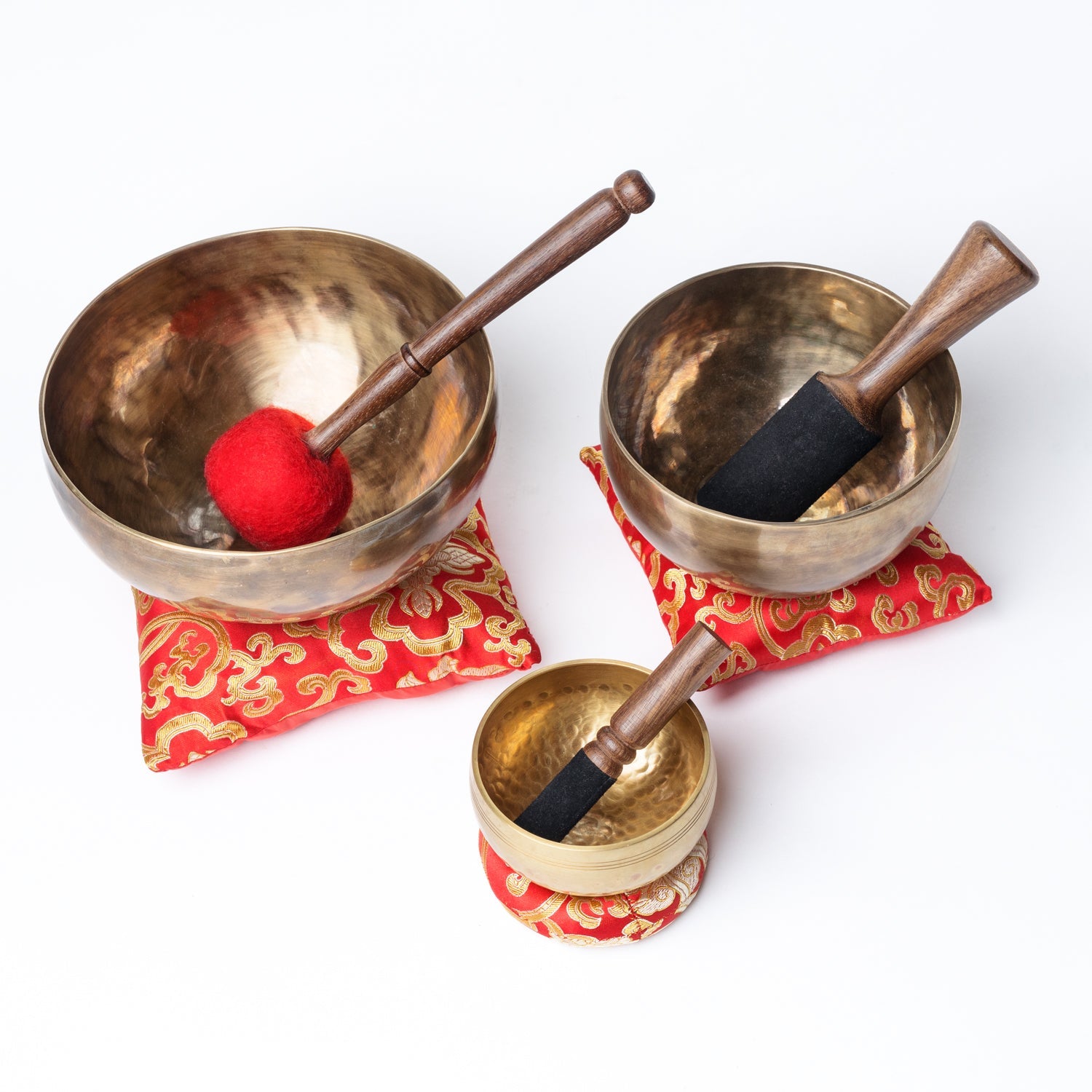
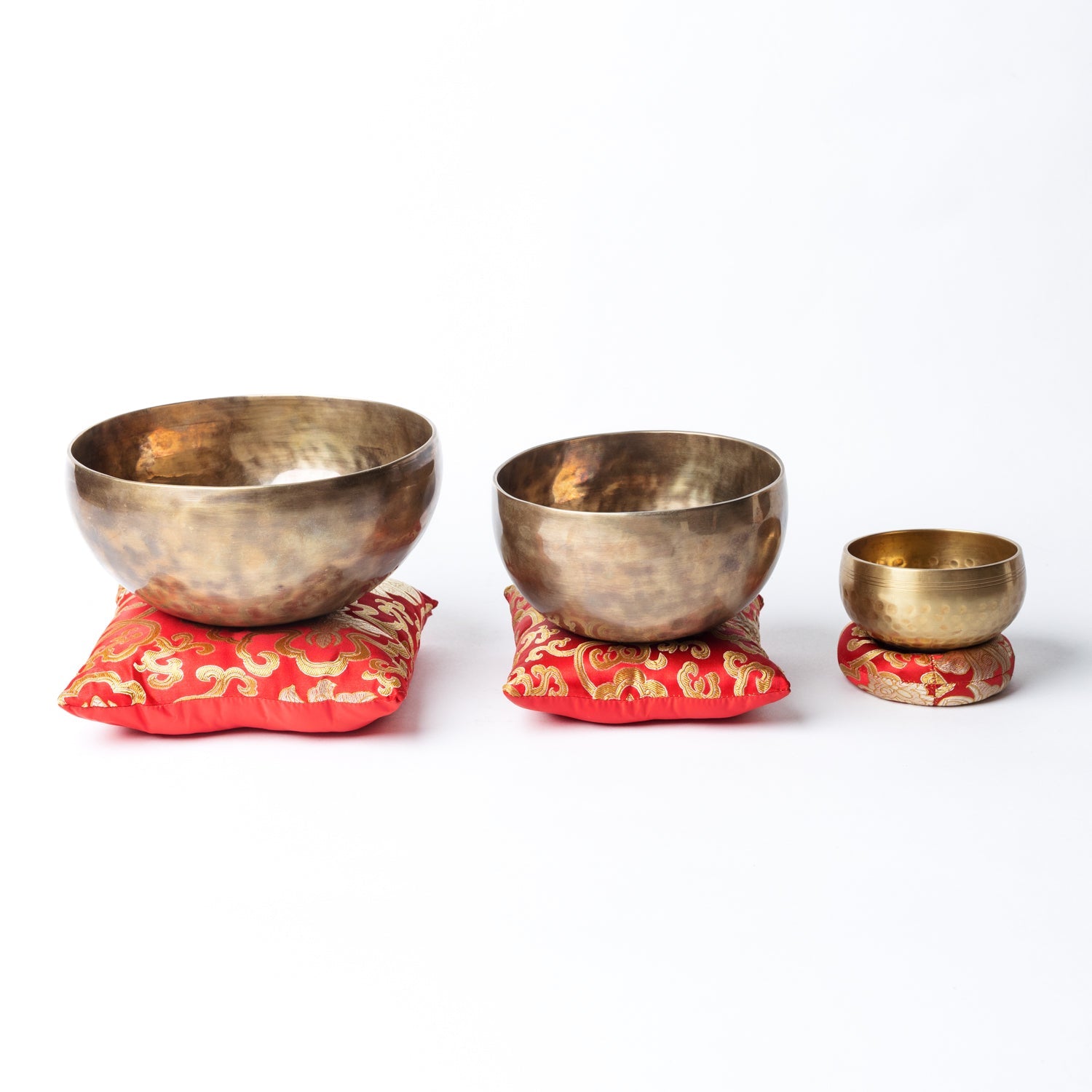
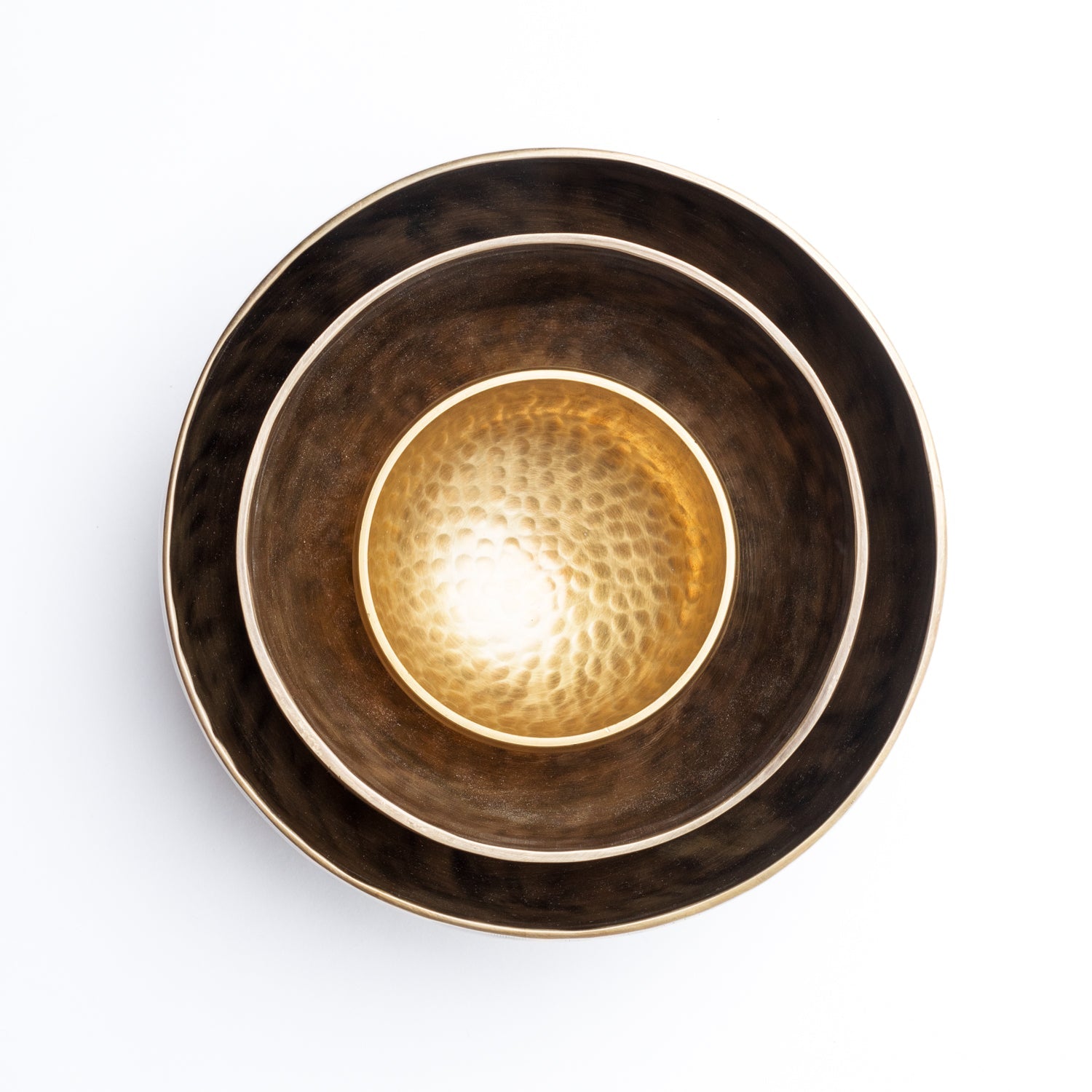
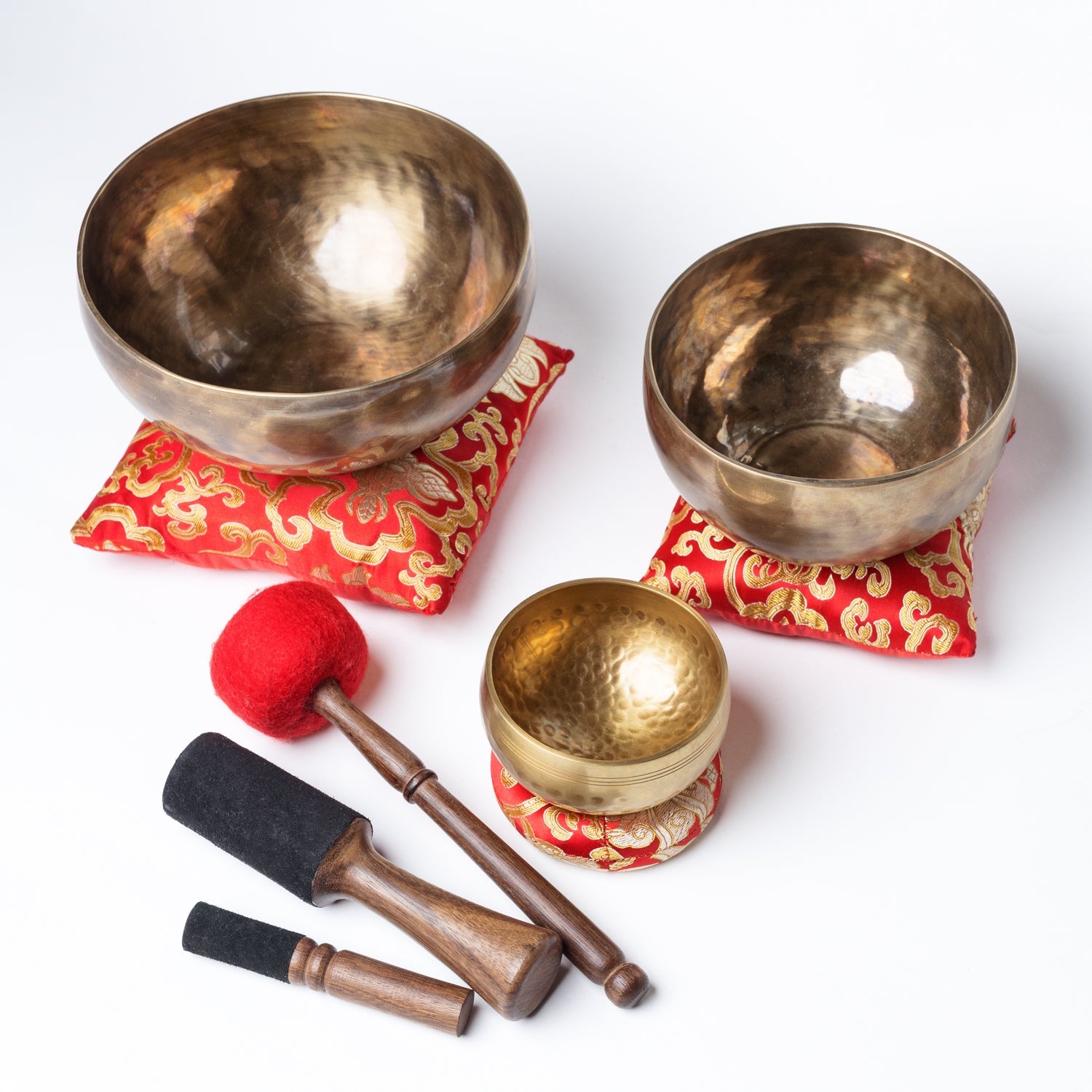
Singing bowl home healing set
Singing bowl home healing set
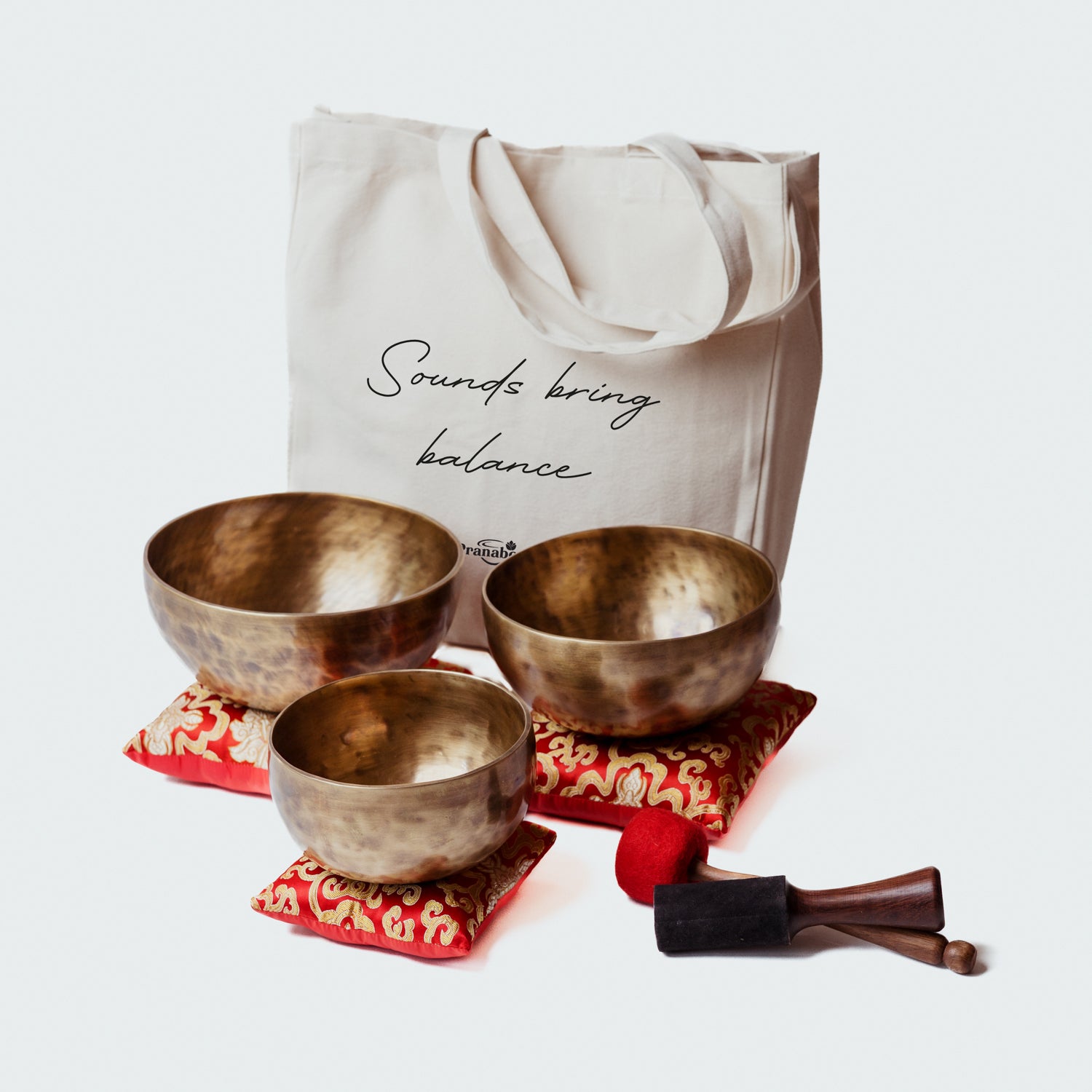
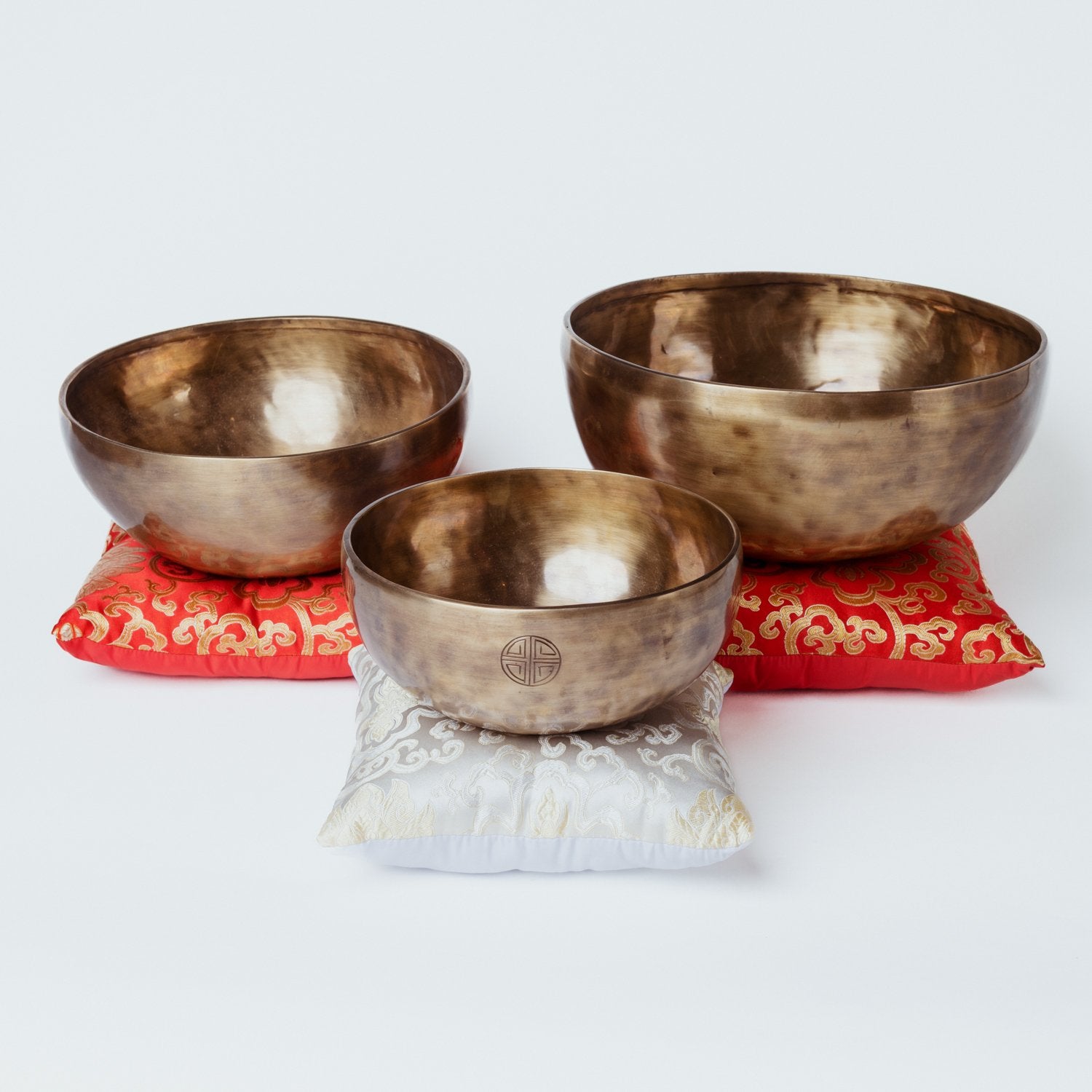
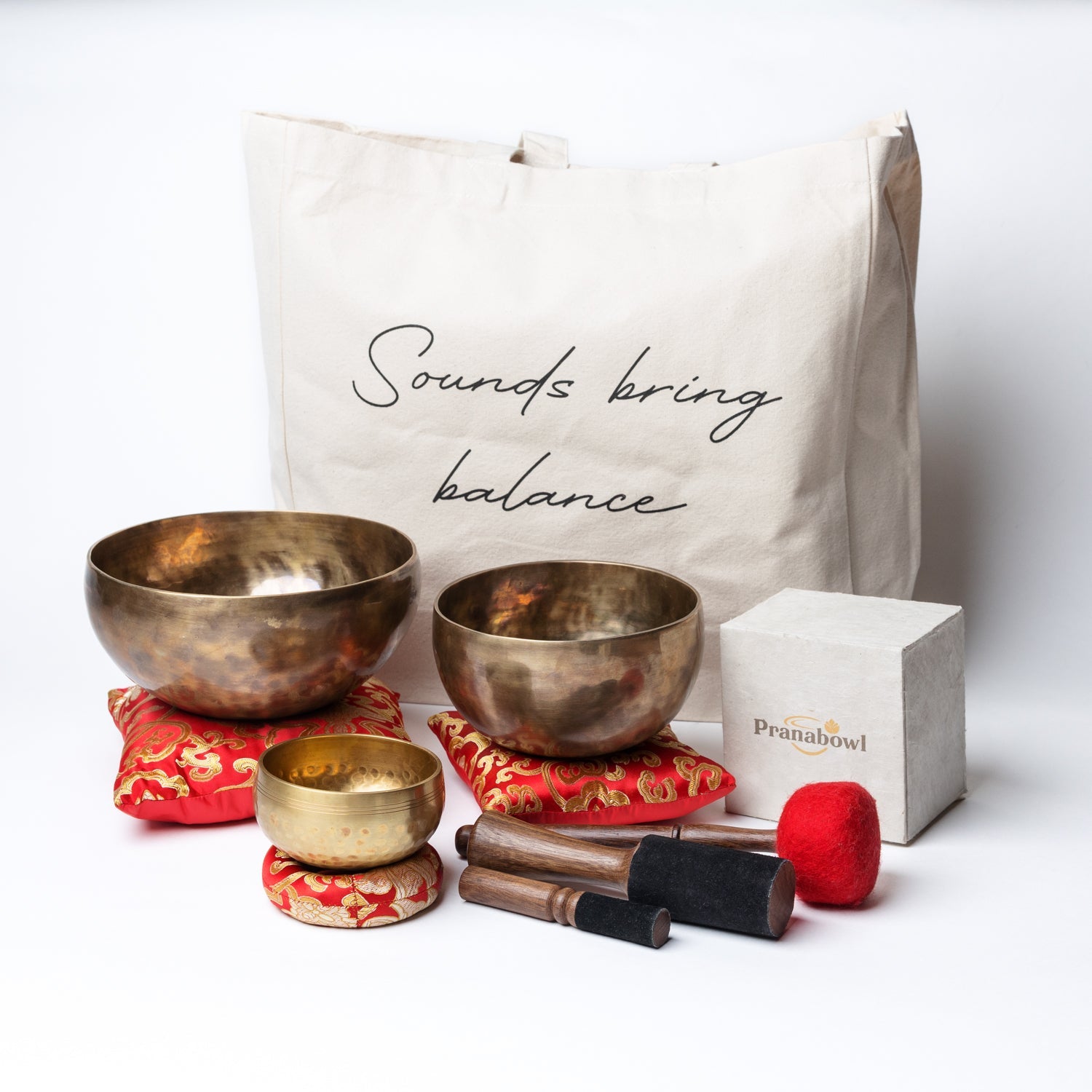
A complete set tailored for home use — designed for self-care, caring for family members, and combining sound vibration with meditation and relaxation. It can also be used to create gentle sound baths, and the smallest bowl is a delightful choice for a child to play.
With this set, you can easily and safely begin practicing sound bowl therapy and relaxation at home. Later, the set can be expanded for professional use by adding the Roots Bowl.
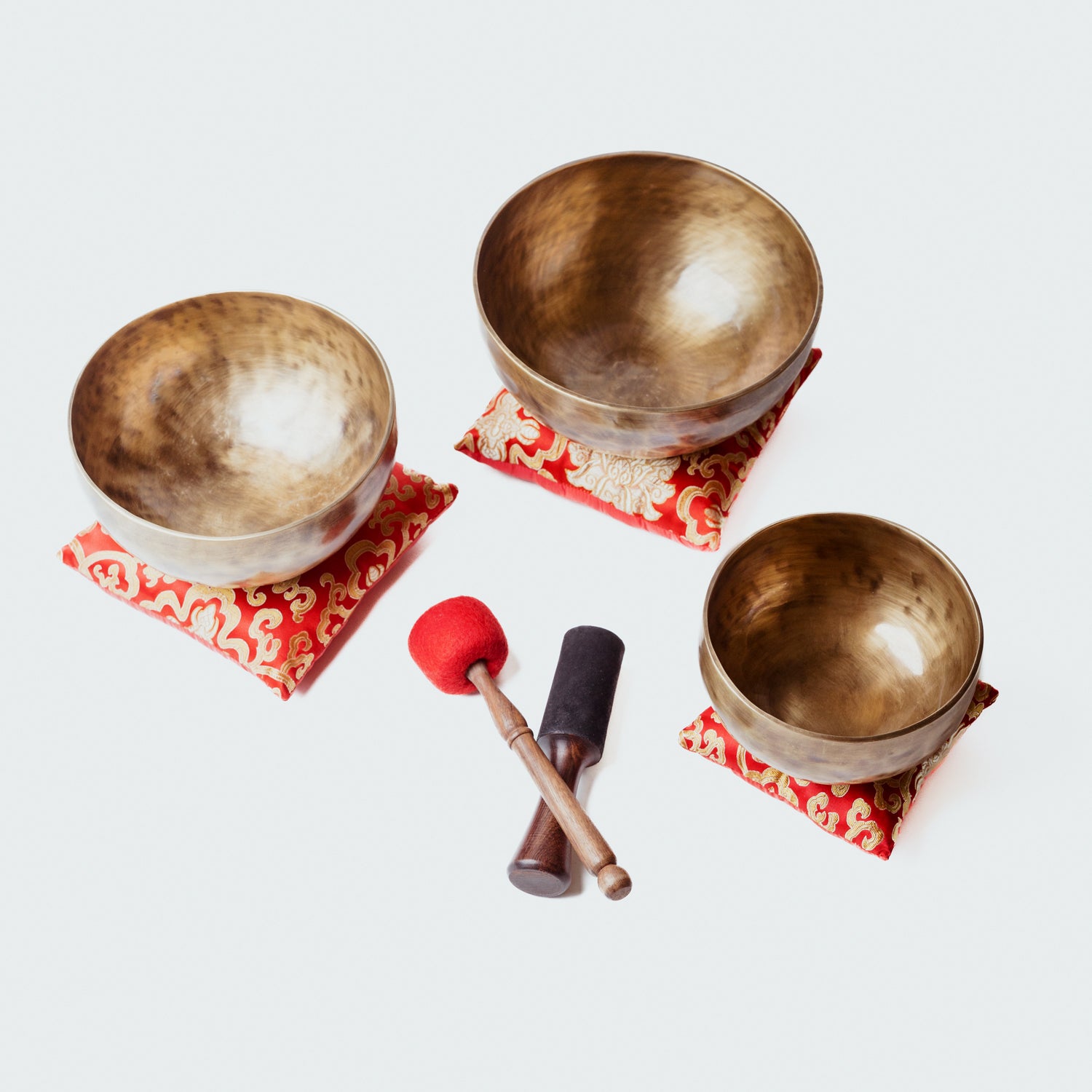
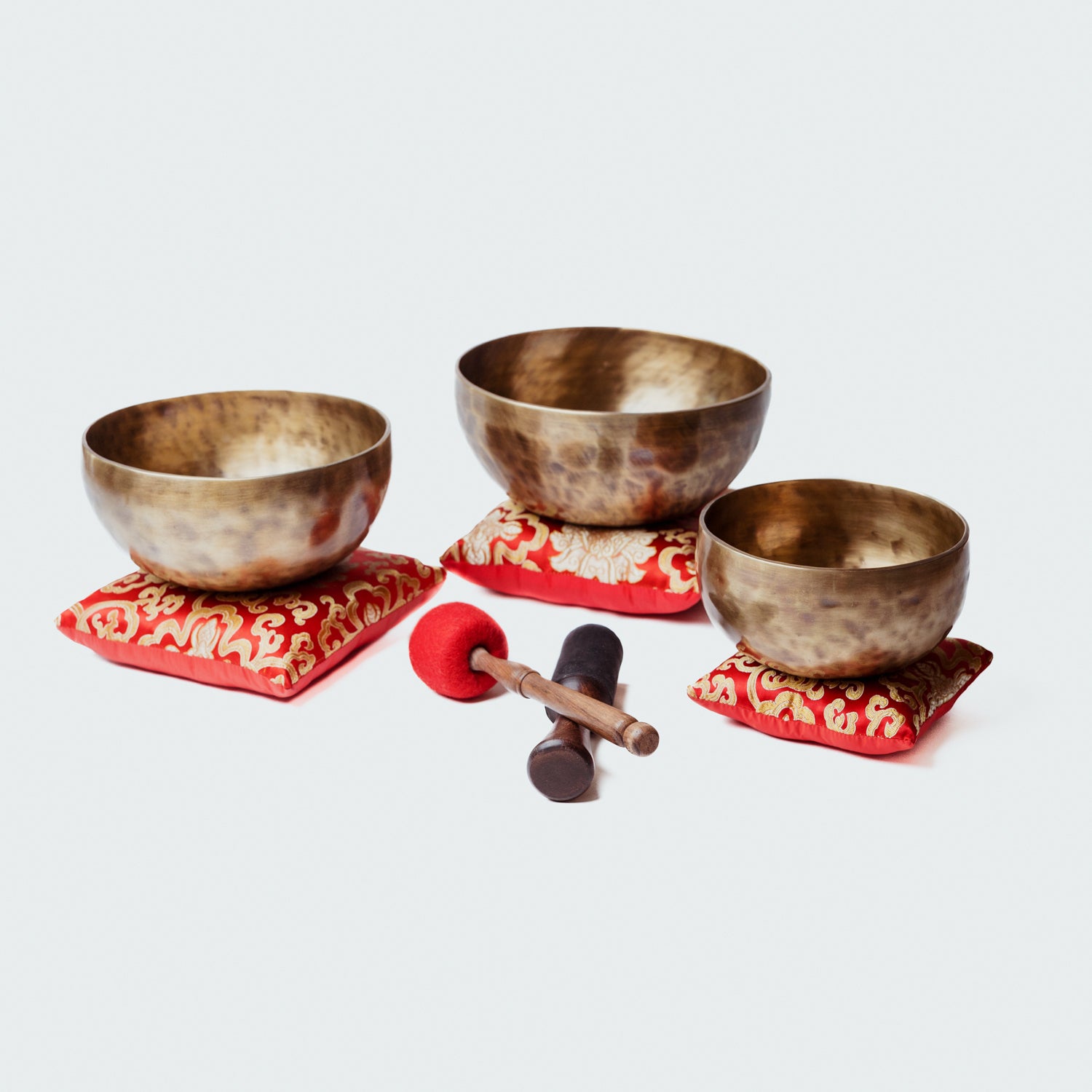
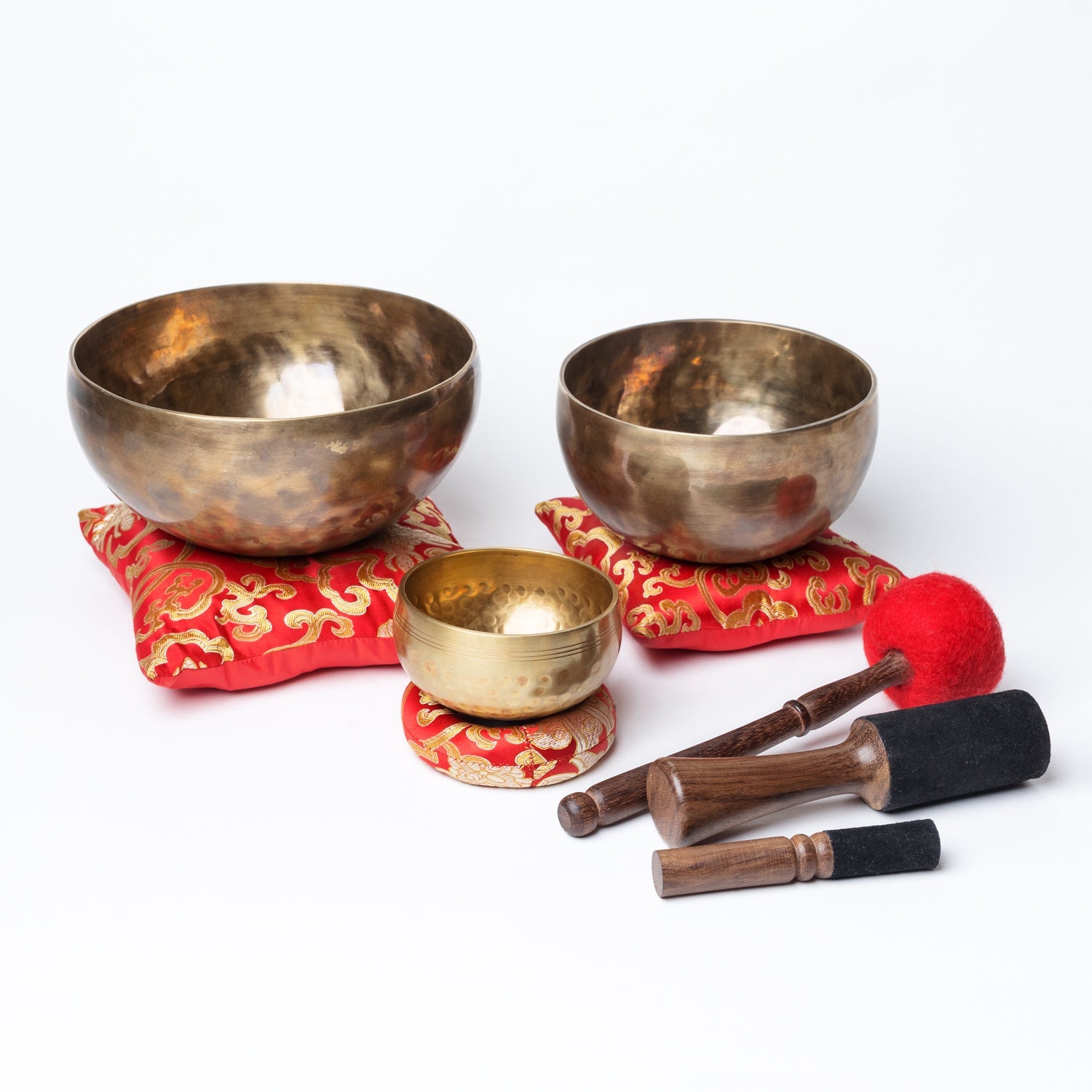
The bowls have been carefully selected to create a beautifully balanced and wide-ranging soundscape. The set includes:
Little Prana Bowl (10 cm)
Heart Bowl (16 cm, approx. 750 g)
Body Bowl (19 cm, approx. 1050 g).
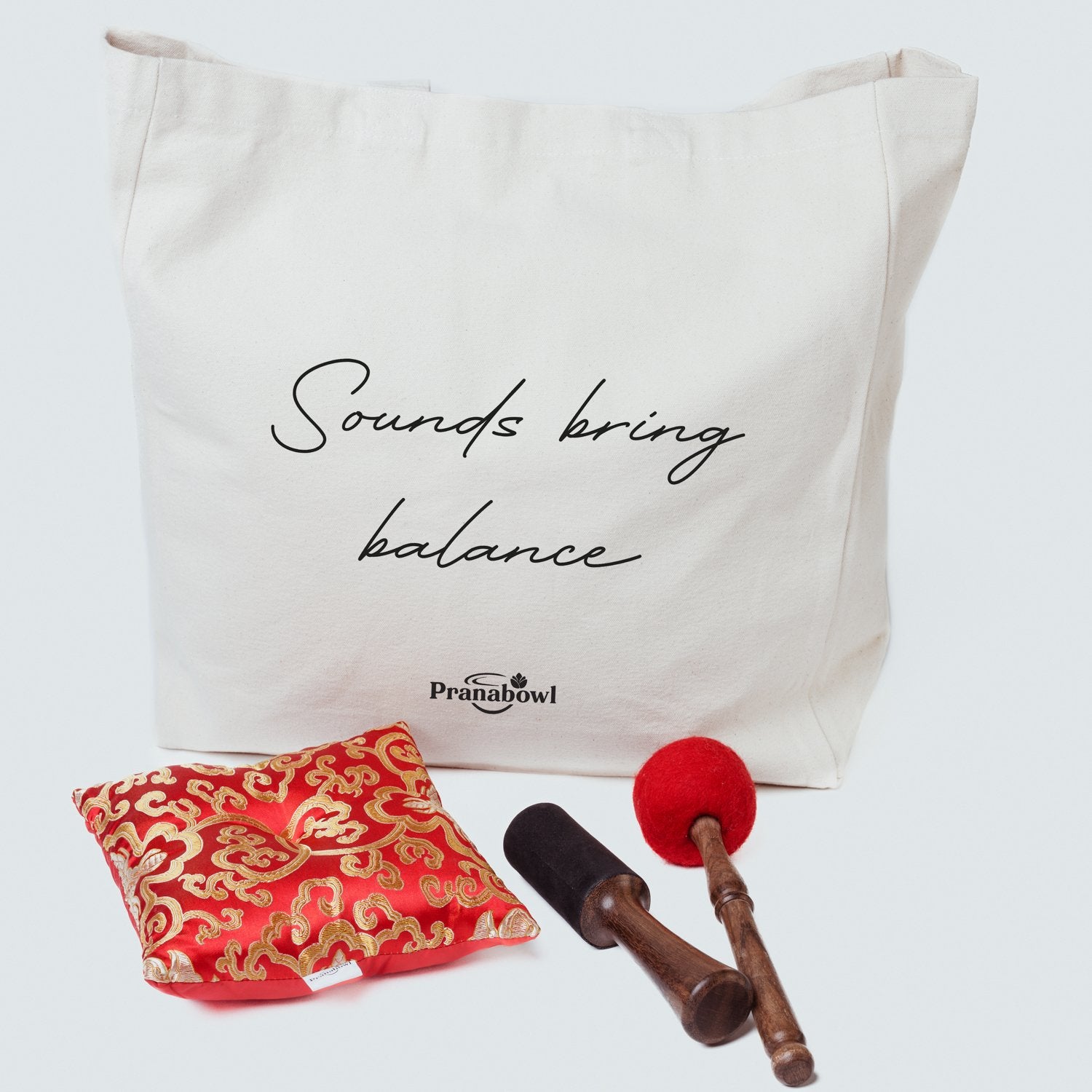
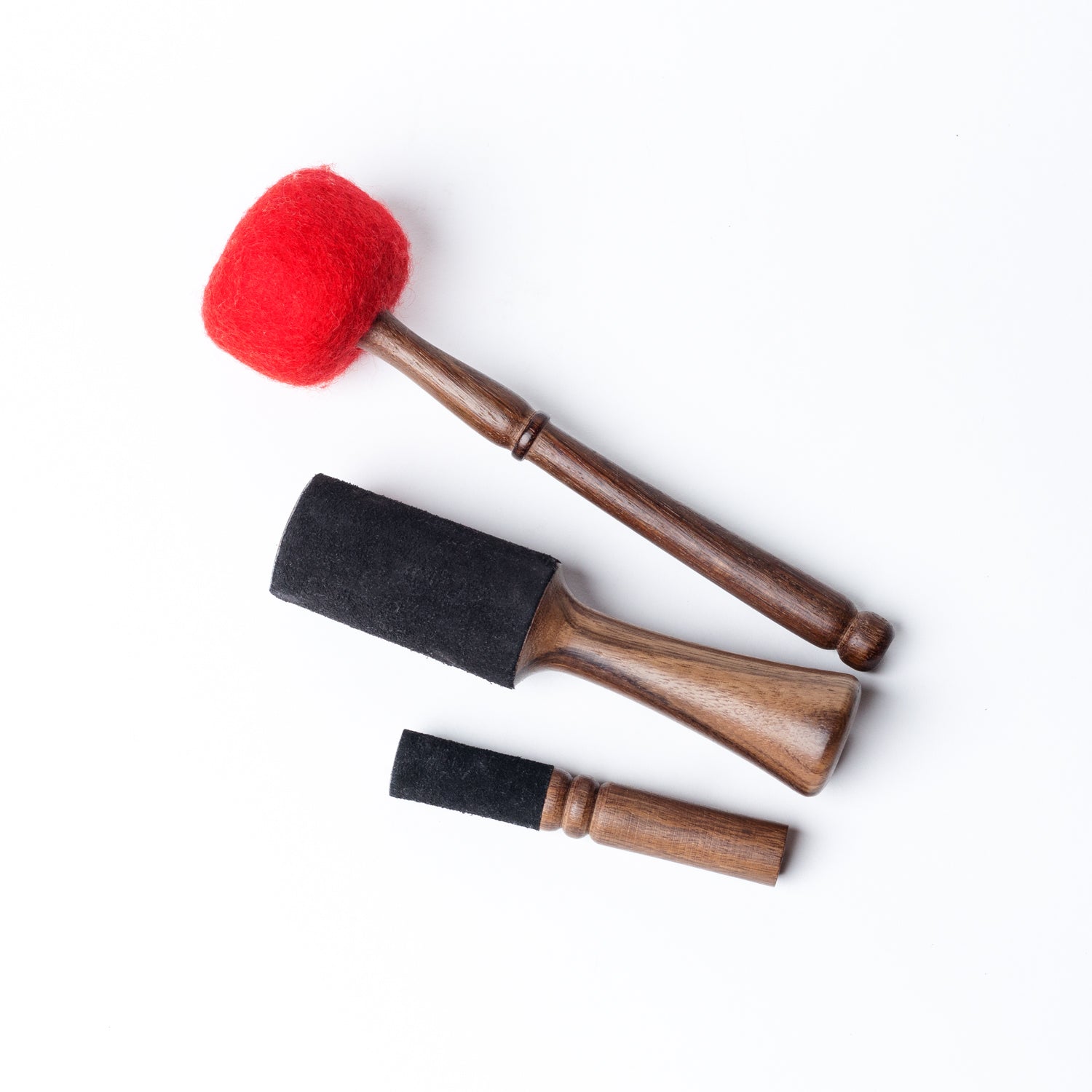
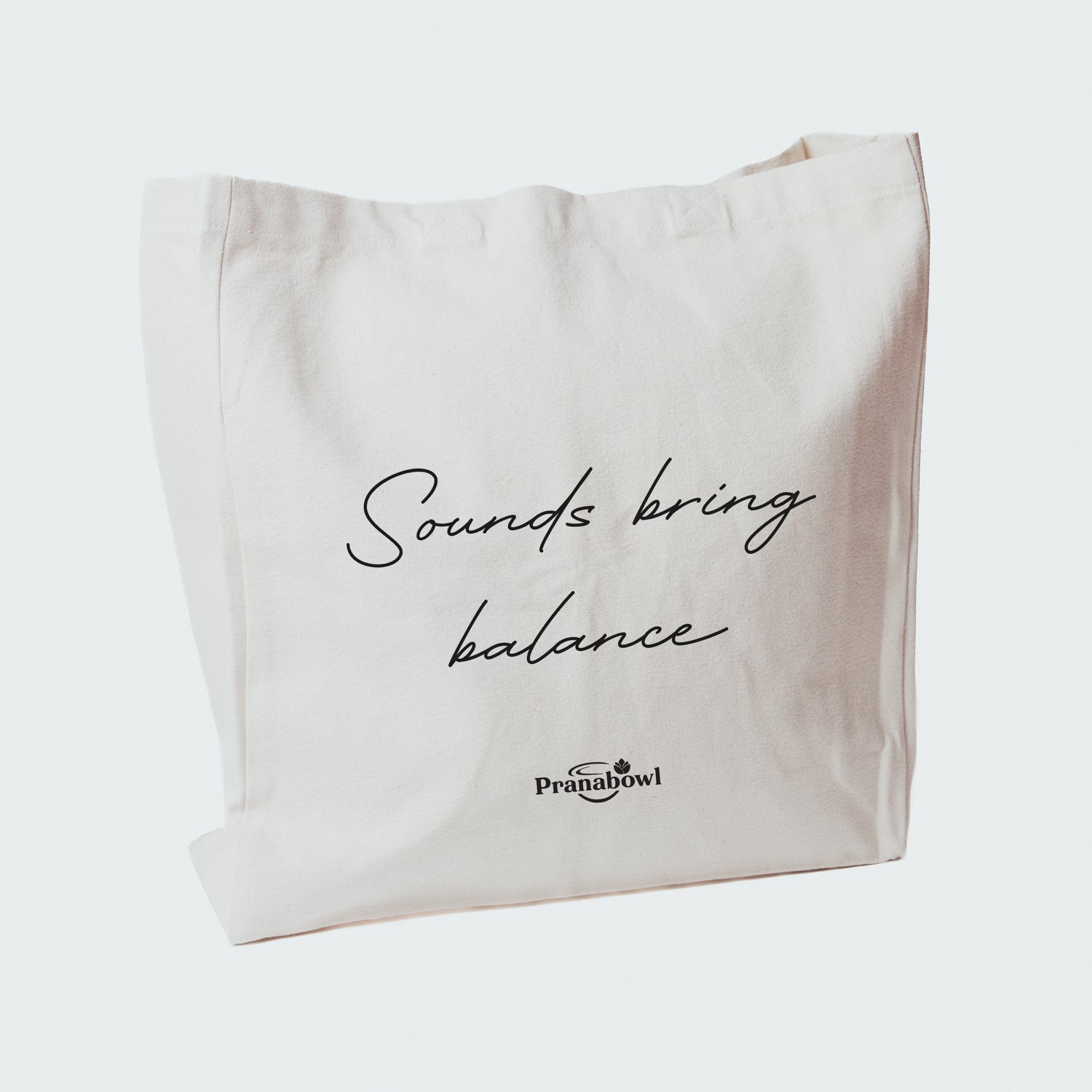
The set also comes with soft cushions for each bowl, three mallets for versatile playing — a mini and a medium wooden mallet, and a medium soft mallet — as well as a beautiful, sturdy fabric bag for carrying and storing your sound bowls.
Hurry up, only 4 items left in stock.